Hearing a high-pitched squeak or squeal every time you hit the brake pedal is one of the most common signs that your vehicle's braking system requires attention. While some minor brake noise can be harmless—such as moisture or morning rust clearing off the rotors—persistent squeaking can be a warning that your braking system needs attention before minor wear turns into costly damage or a safety hazard.
Understanding why your brakes are squeaking, what causes the noise, and how auto repair technicians diagnose and fix the issue can help you protect both your vehicle and your wallet.
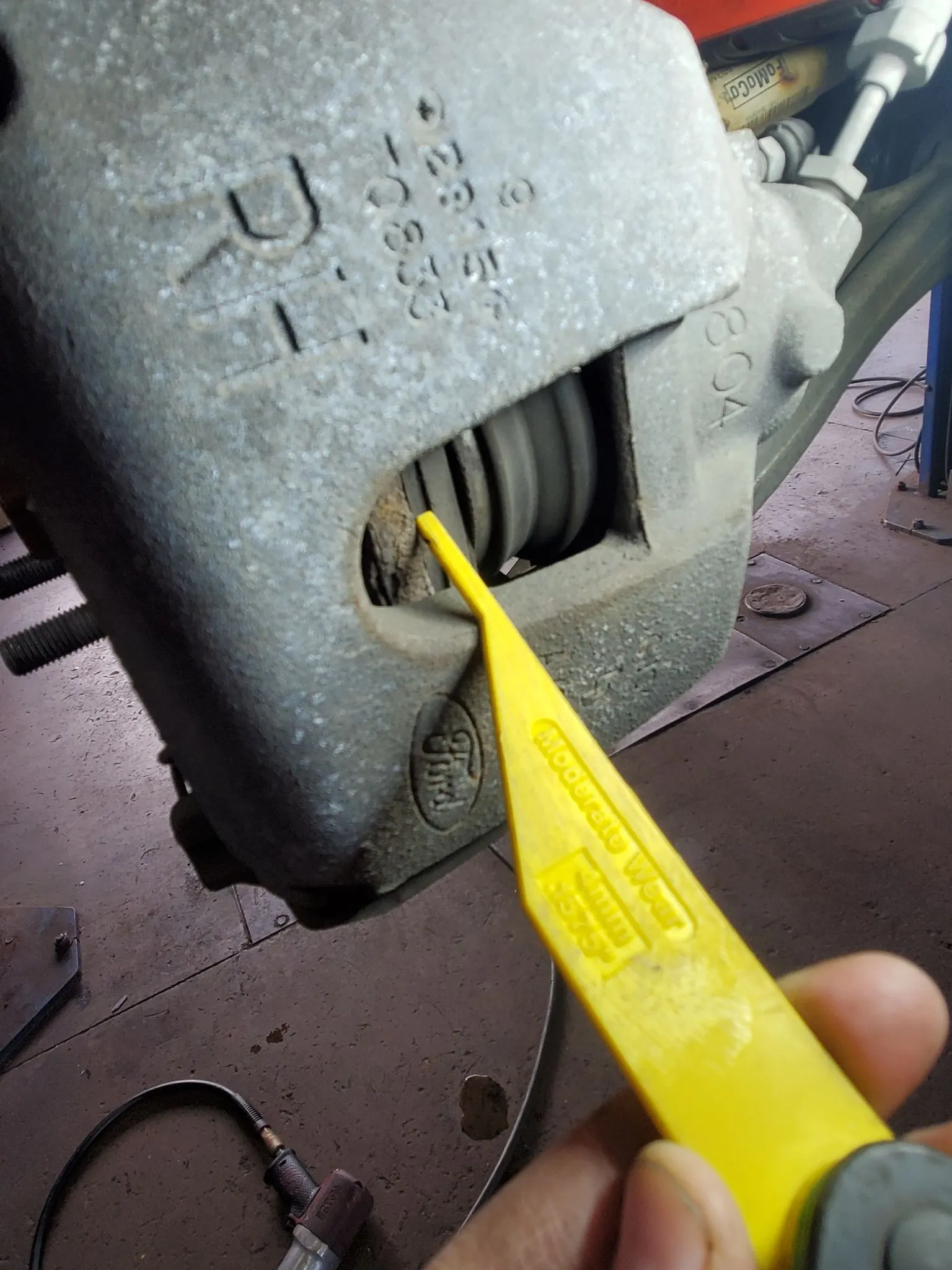
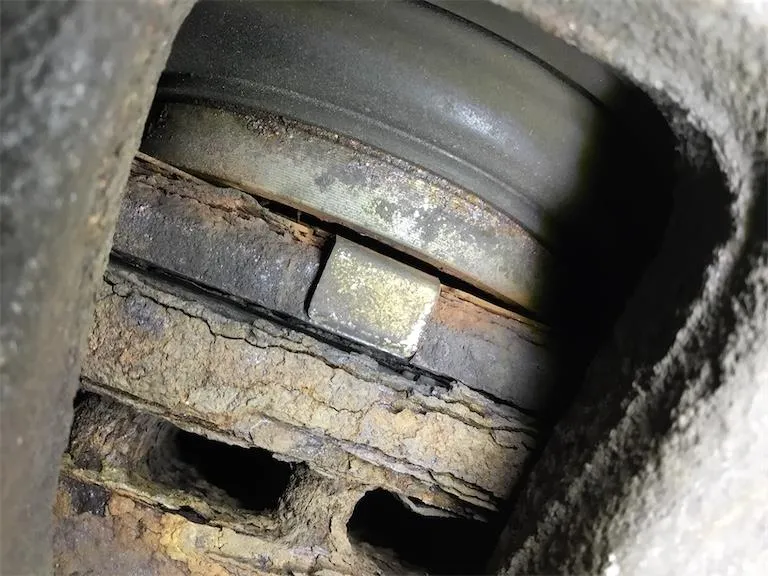
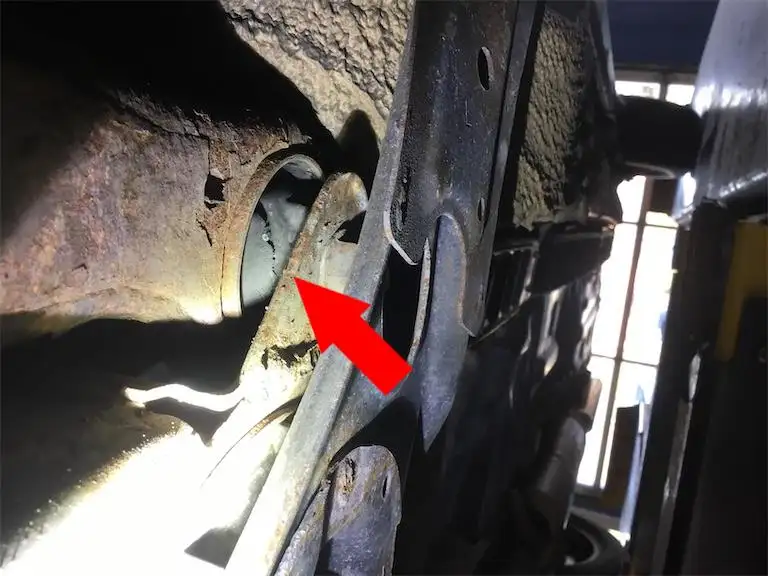
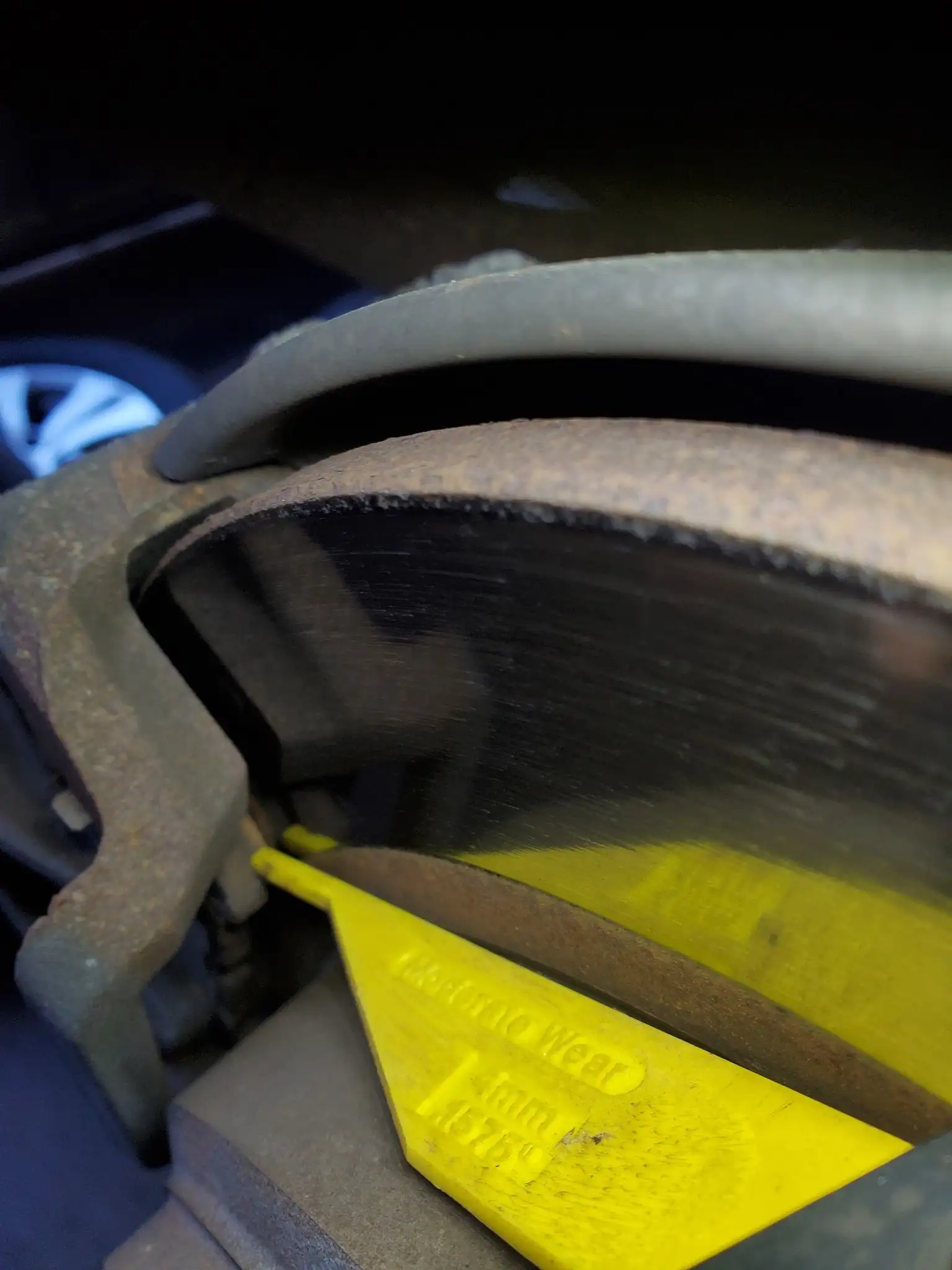
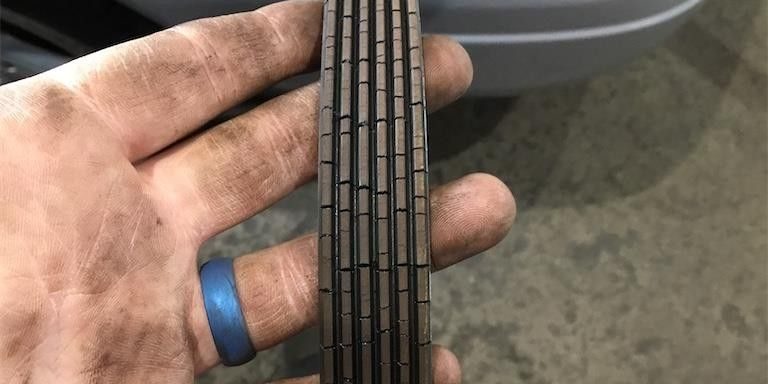
Top Causes of Squeaking Brakes 1. Worn Brake Pads and Built-In Wear IndicatorsMost modern brake pads are engineered with a small metallic wear indicator, often called a wear tab. As the friction material on the pad wears down over thousands of miles, this metal tab eventually contacts the steel brake rotor. This creates a distinct, continuous squealing sound when you apply the brakes.
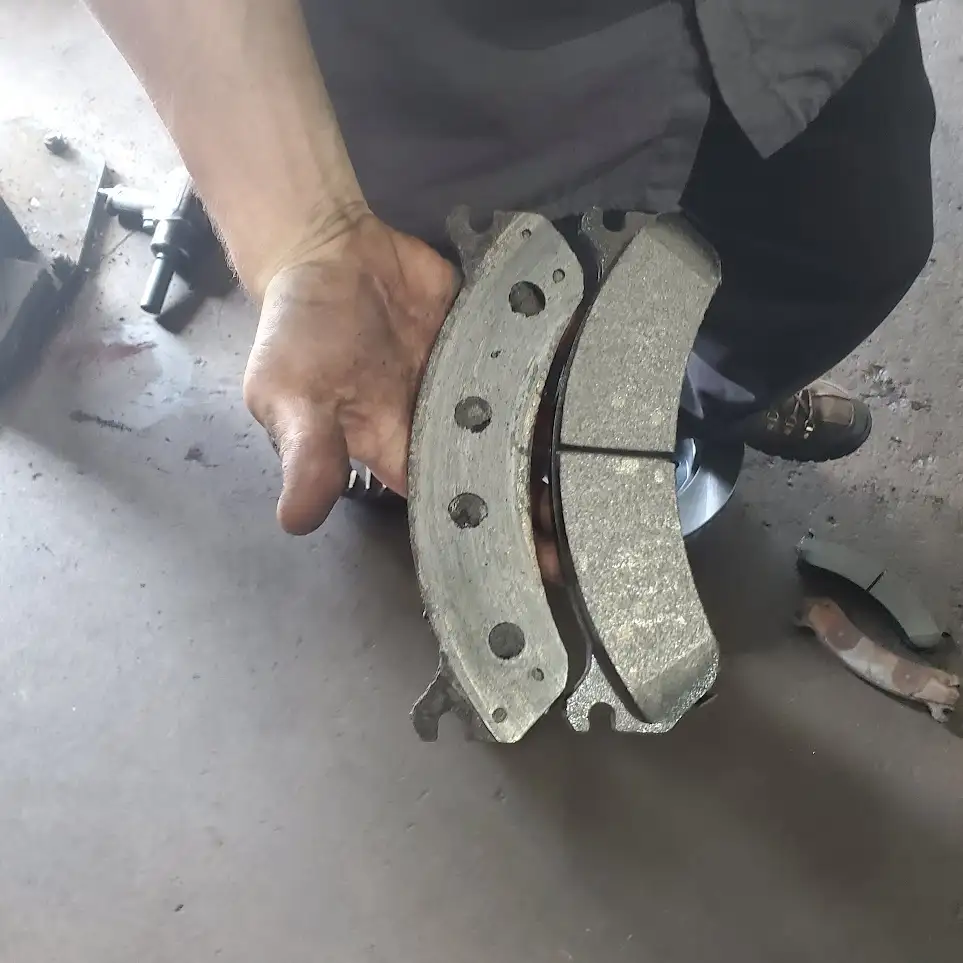
- The Risk: Ignoring this sound can eventually wear the friction material down to the pad's metal backing plate. When metal grinds against metal, it can damage the brake rotors, reduce stopping performance, and significantly increase repair costs.
If your brakes only squeak first thing in the morning or after rain, moisture may be the culprit. Overnight humidity can create a thin layer of surface rust on cast-iron brake rotors. During your first few stops, the brake pads scrape away this surface rust, sometimes causing a brief squeak or grinding sound that disappears once the rotors are clean.
If the noise continues, it is best to have a professional inspect and measure the brakes to make sure the sound is caused by surface rust and not a deeper issue.
3. Brake Dust and Debris AccumulationBrake pads naturally generate fine dust as they wear. Over time, brake dust, dirt, and road debris can become trapped between the pad and rotor or accumulate around the caliper brackets. This buildup can create high-frequency vibrations that result in an audible squeak or squeal.
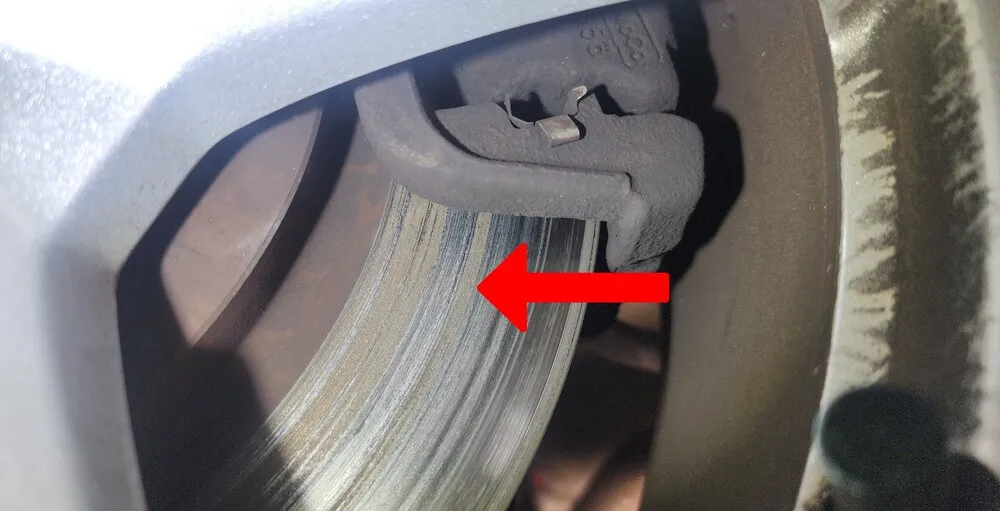
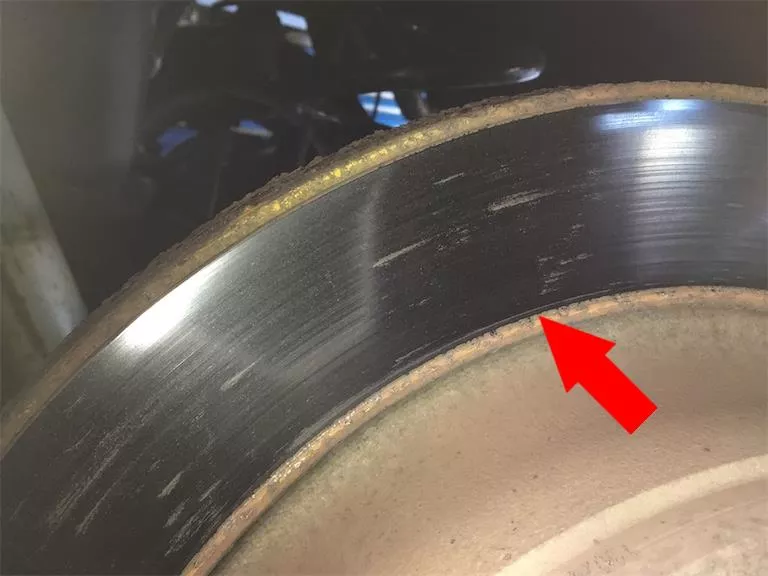
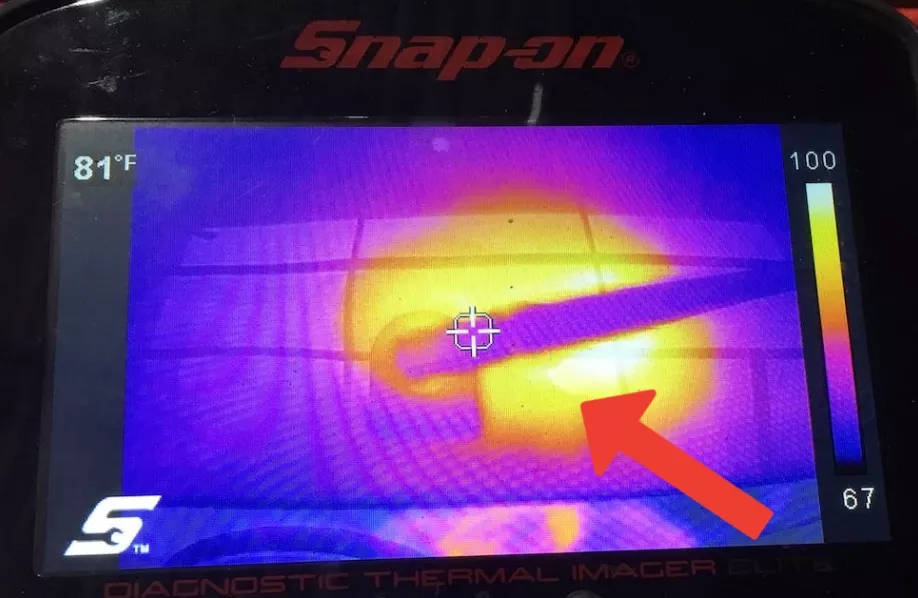
4. Glazed Brake Pads or RotorsHeavy braking, constant stop-and-go city driving, riding the brakes down steep hills, or repeated emergency stops can generate excessive heat. This heat may cause the friction material on the brake pads to harden and develop a smooth, glass-like surface known as glazing. Glazed pads can reduce friction and create a high-pitched squeaking noise when the brakes are applied.
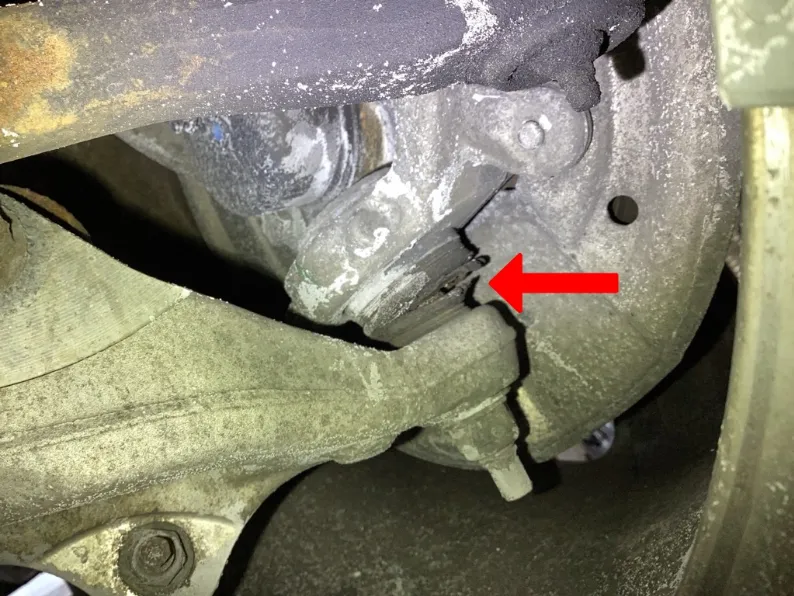
5. Lack of Lubrication on Caliper Pins and HardwareBrake calipers rely on guide pins and related hardware to help apply even pressure across the brake pads and rotor. If the lubricant on the caliper pins, clips, or appropriate pad contact points dries out or washes away, components may bind or vibrate and contribute to brake noise.
Squeaking vs. Grinding: When to Act| Brake Noise | Likely Cause | Recommended Action |
|---|---|---|
| Light Squeak (Morning) | Surface moisture / light rust | Harmless if it disappears after 2–3 stops. |
| High-Pitched Squeal (Constant) | Brake pad wear indicator / glazed pads | Schedule a brake inspection soon; pads may be low. |
| Harsh Metallic Grinding | Pads fully worn out or metal-on-metal contact | Stop driving and have the vehicle inspected immediately. Brake pad, rotor, or additional repairs may be required. |
| Thumping or Pulsating Vibration | Rotor thickness variation, uneven pad deposits, or related brake issues | Have the braking system professionally inspected. |
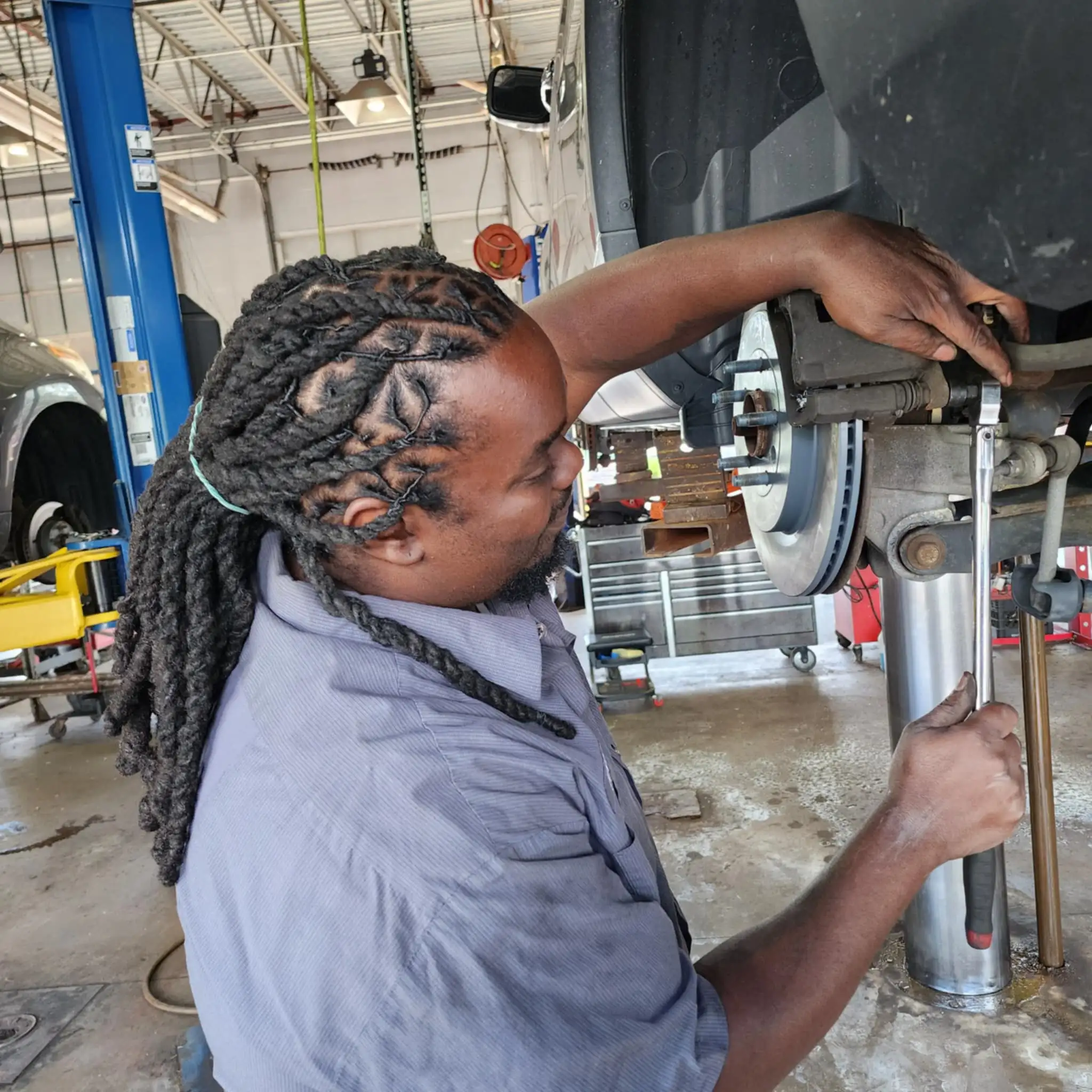
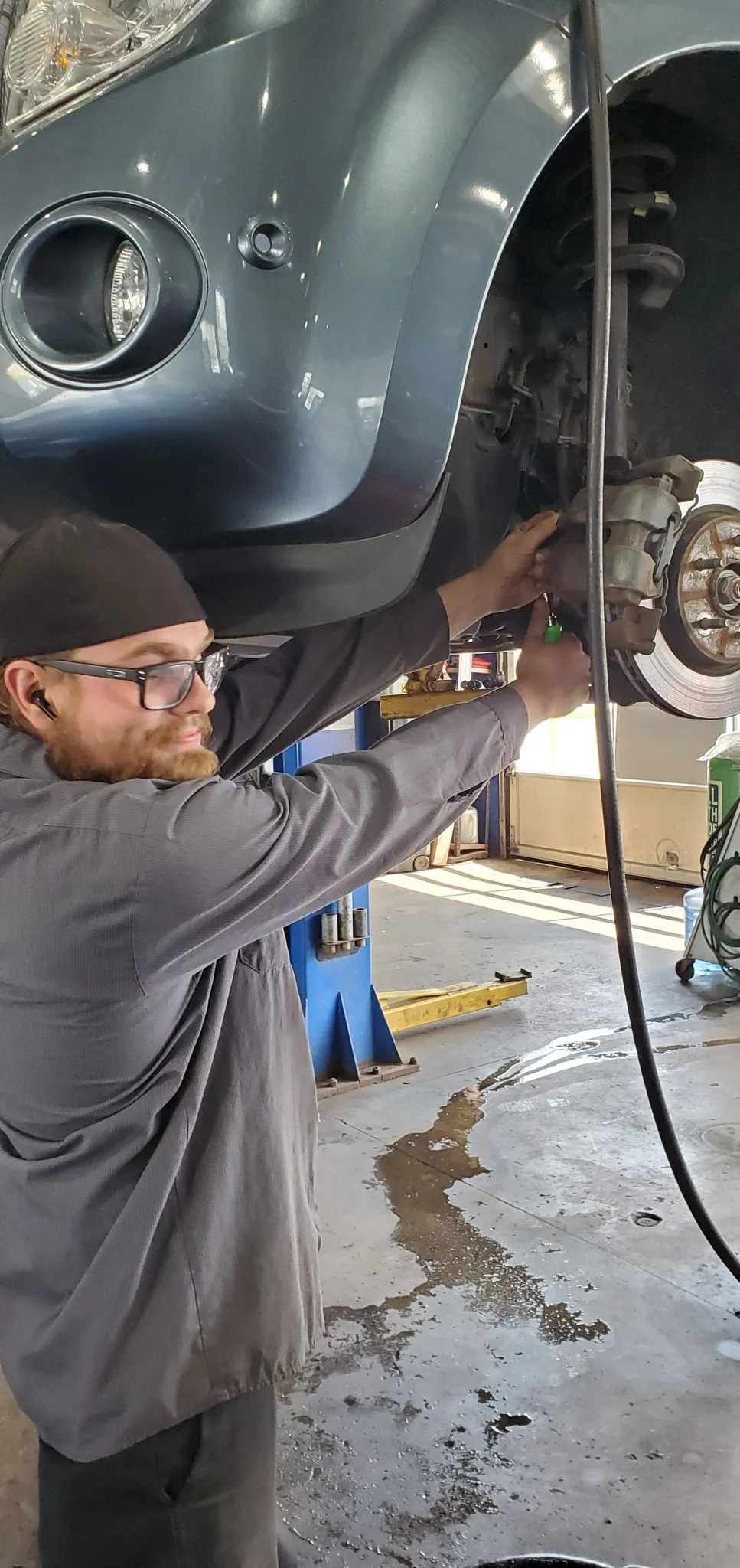
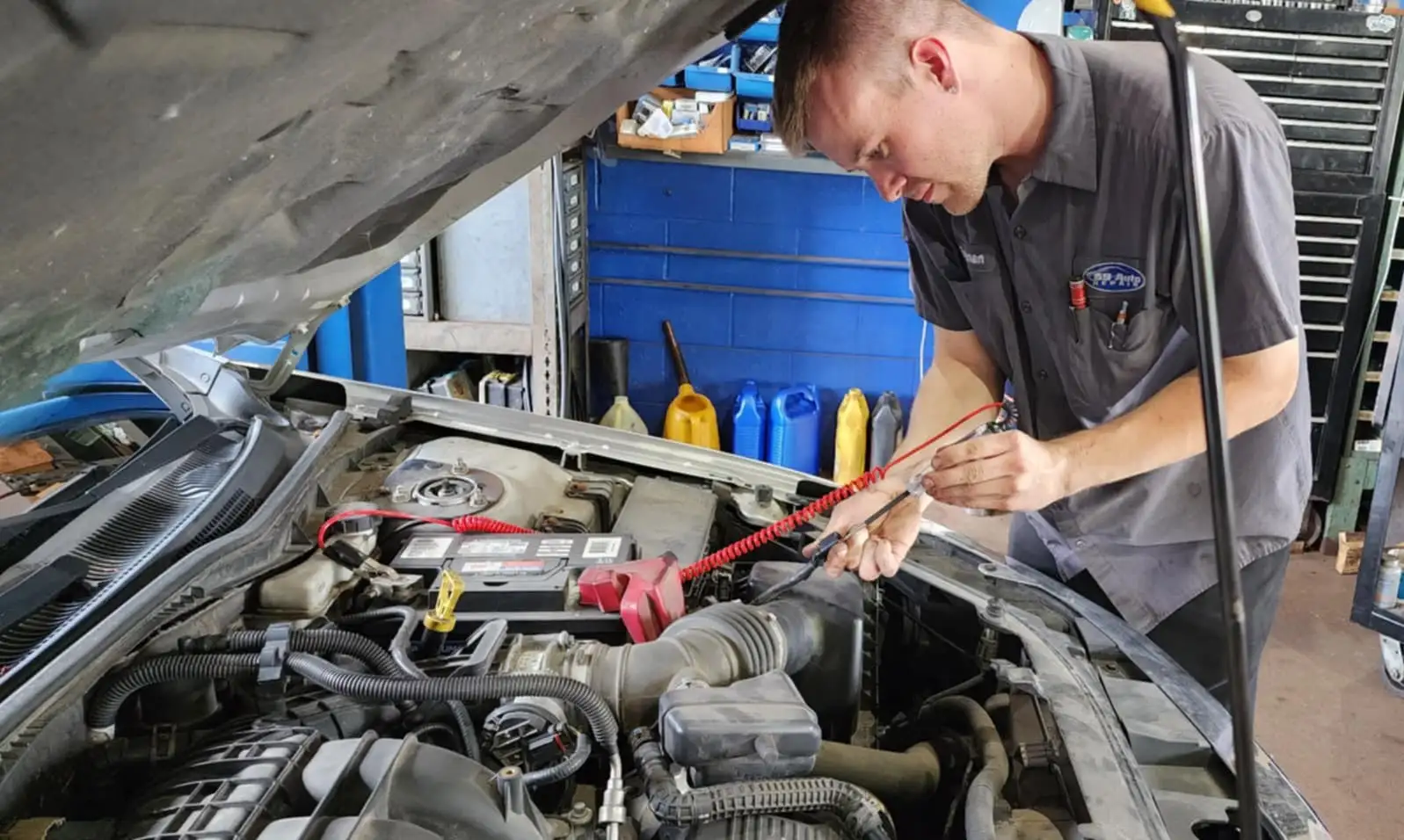
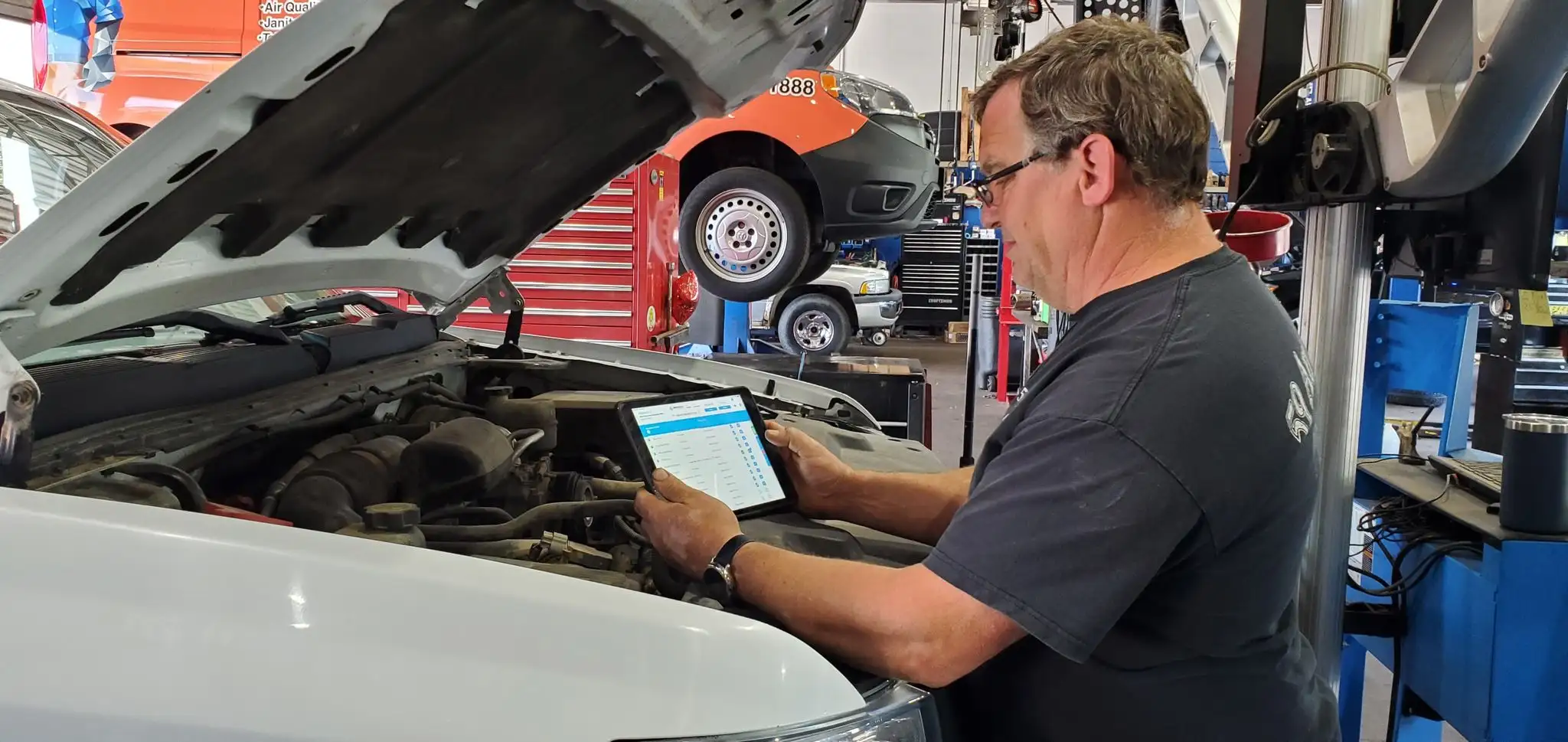
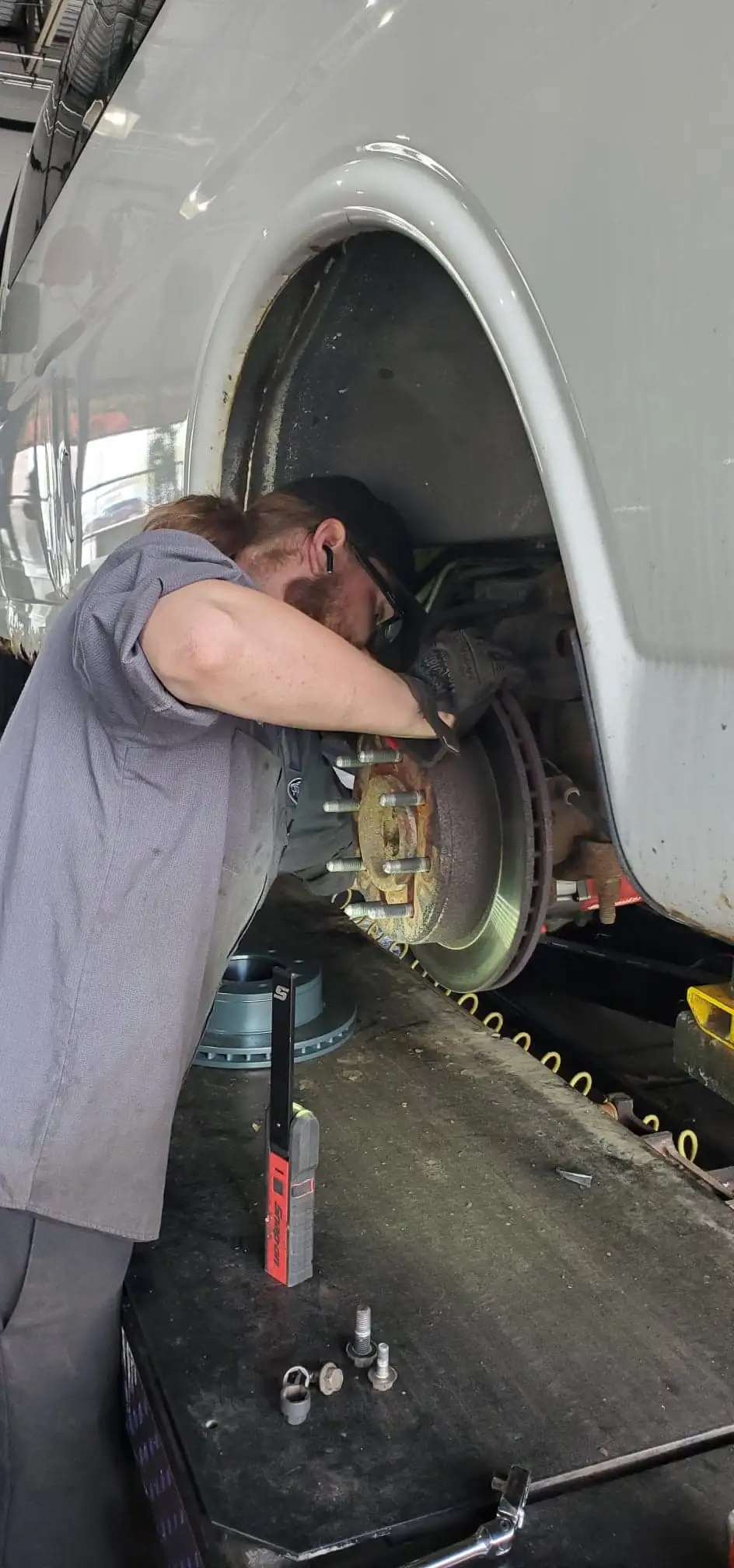
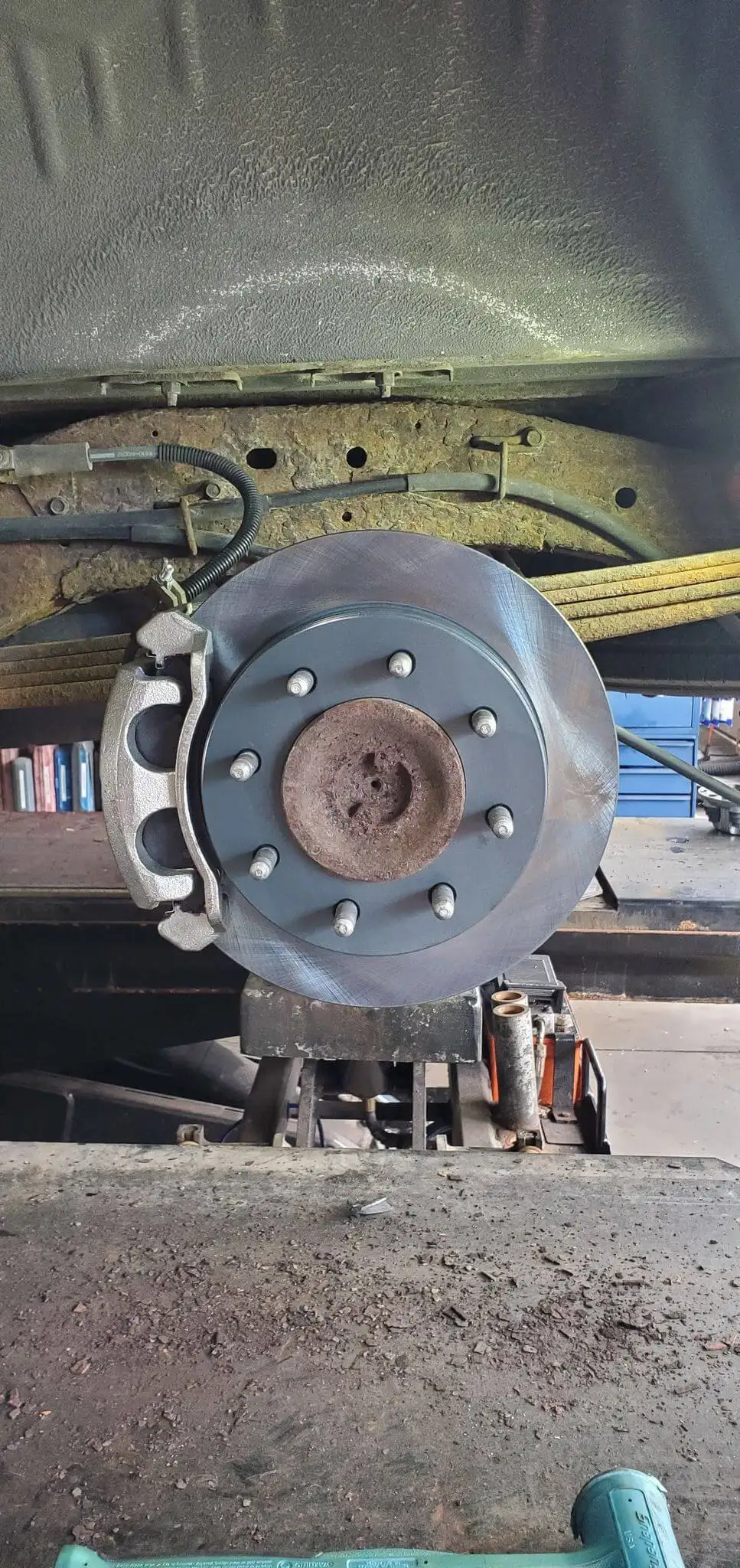
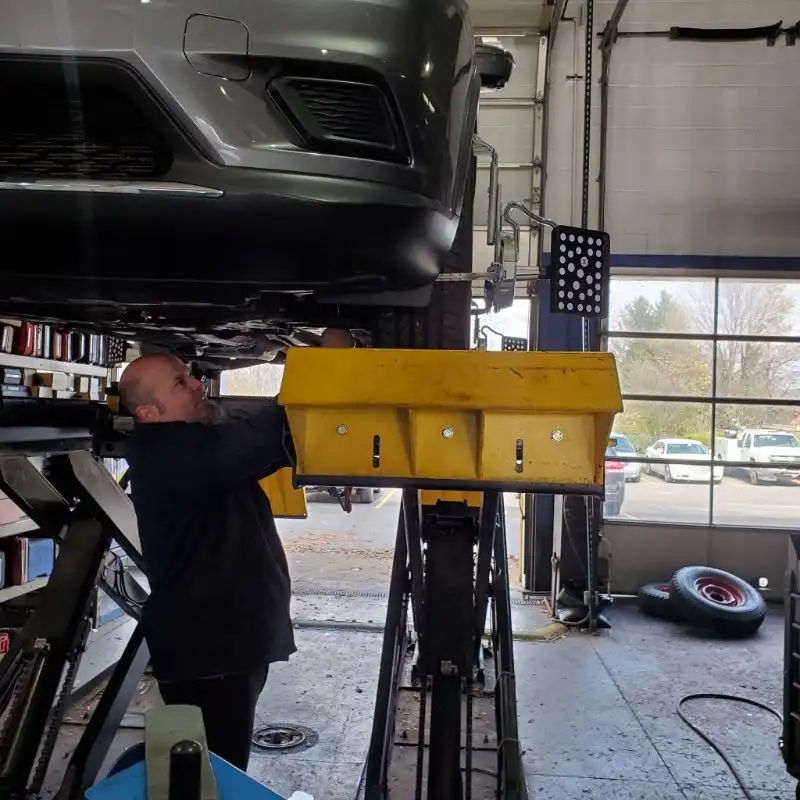
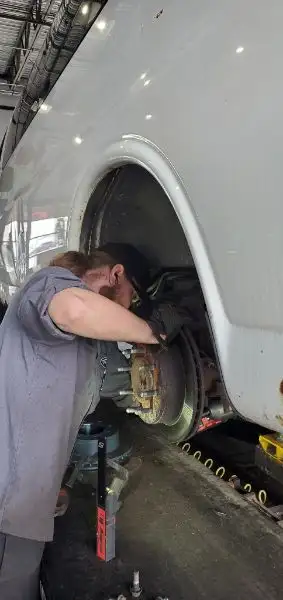
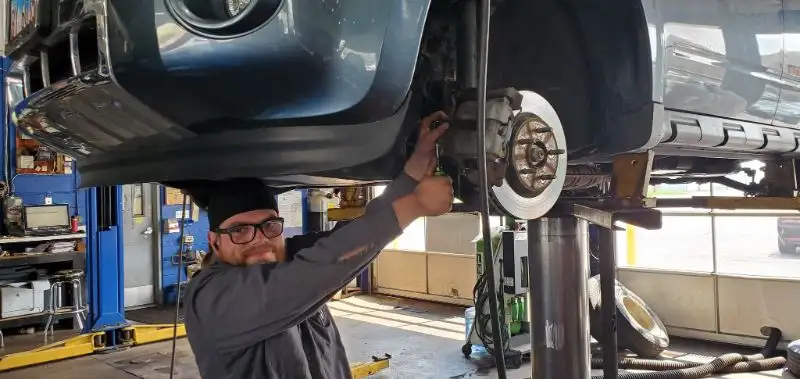
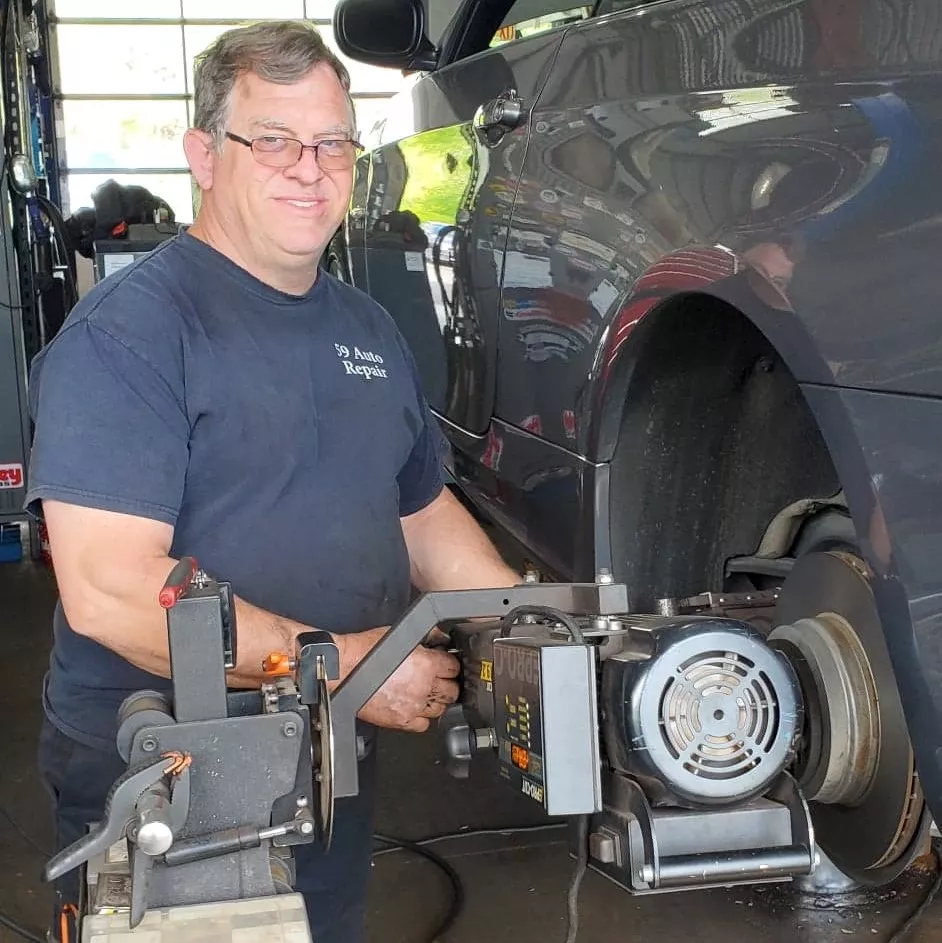
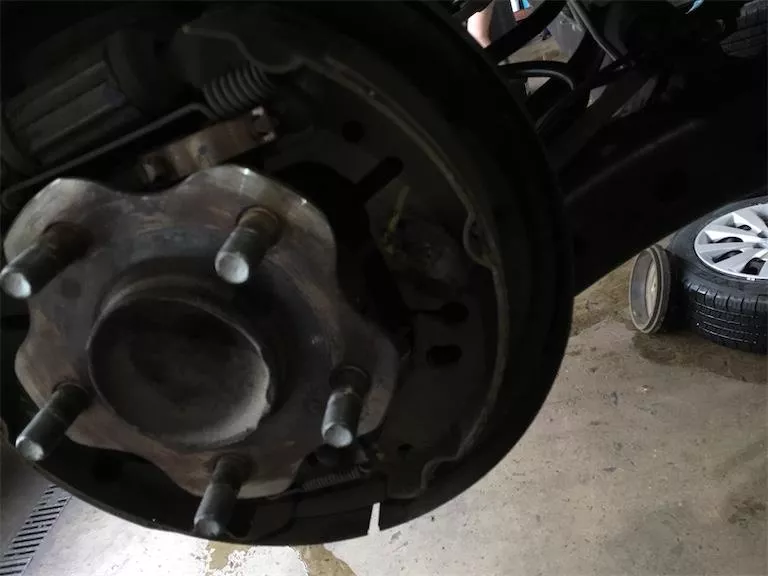
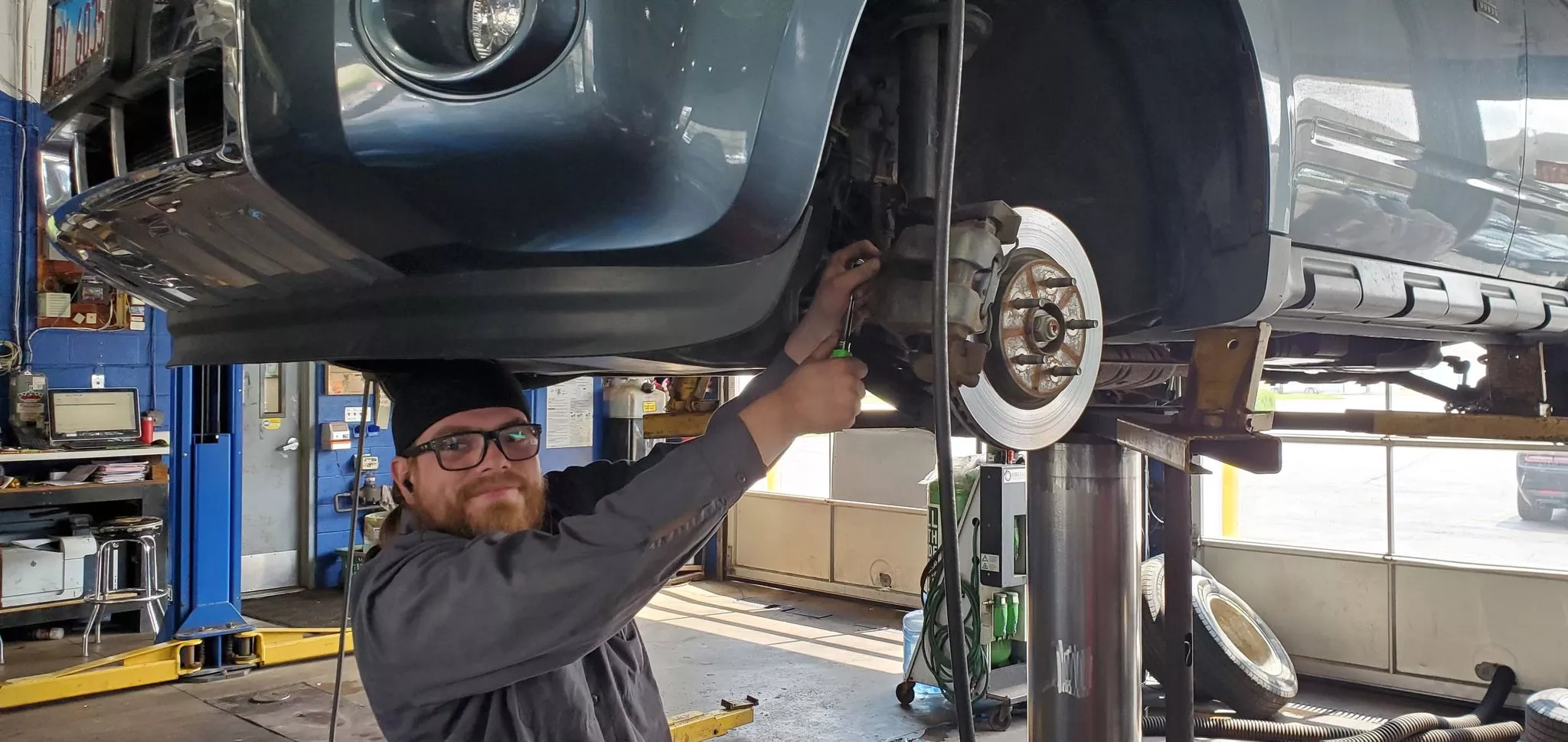
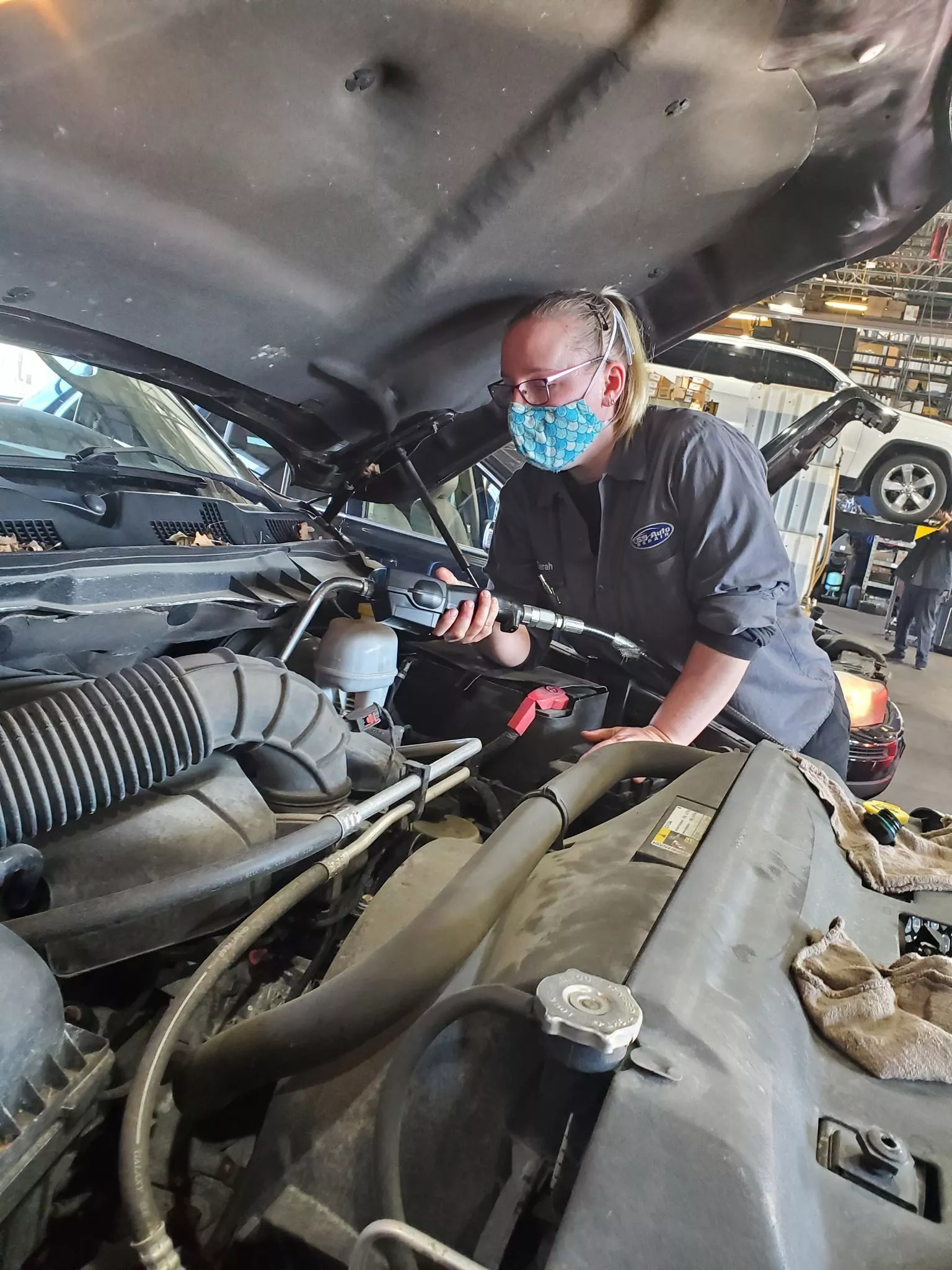
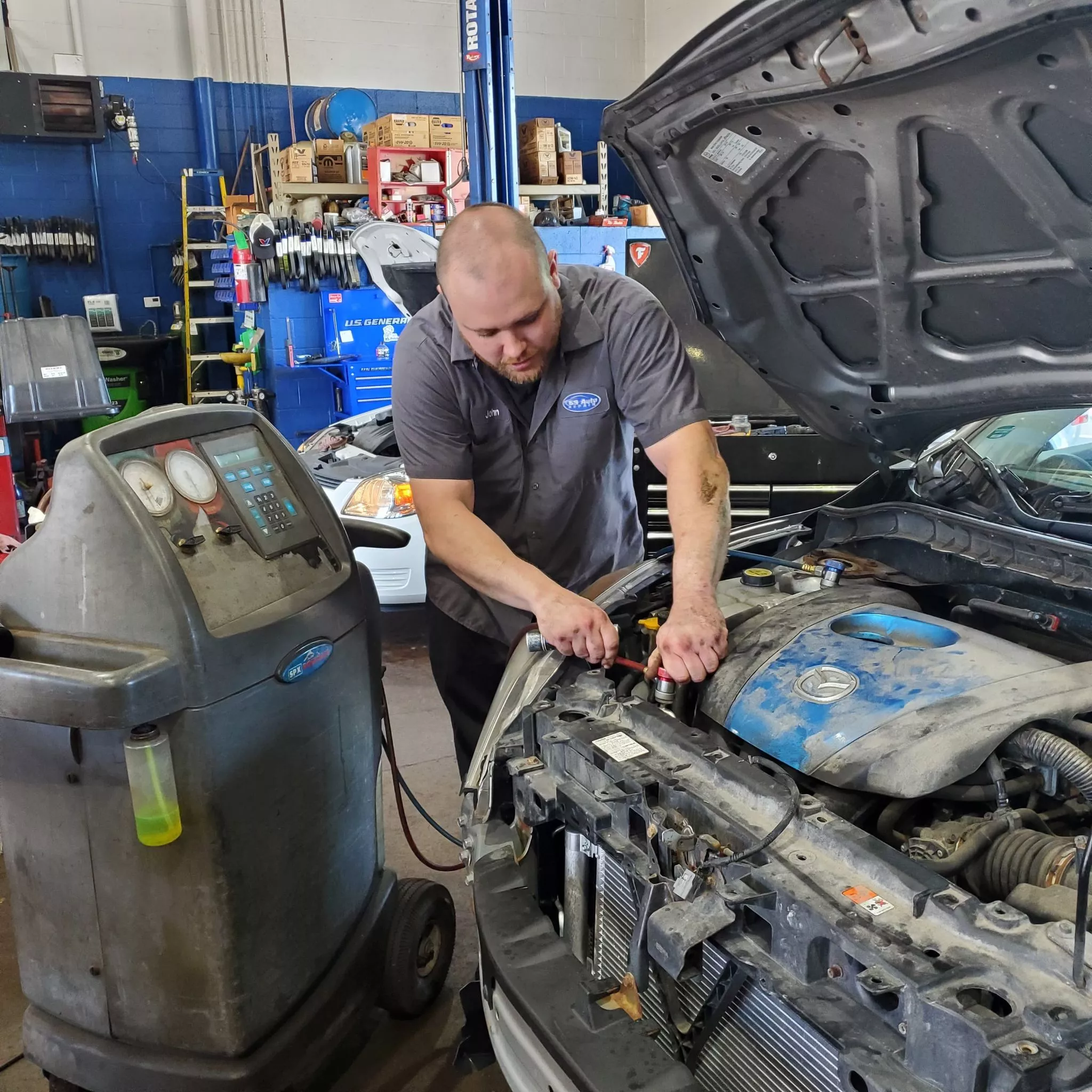
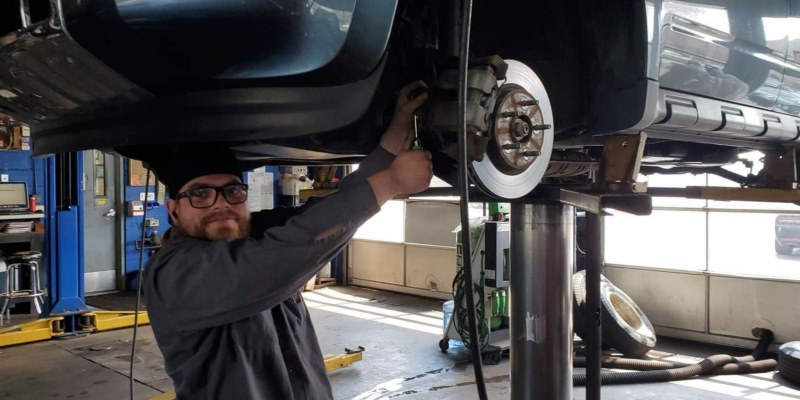
A comprehensive brake repair involves more than simply replacing old parts. To eliminate brake noise and restore proper braking performance, an auto technician will typically perform the following:
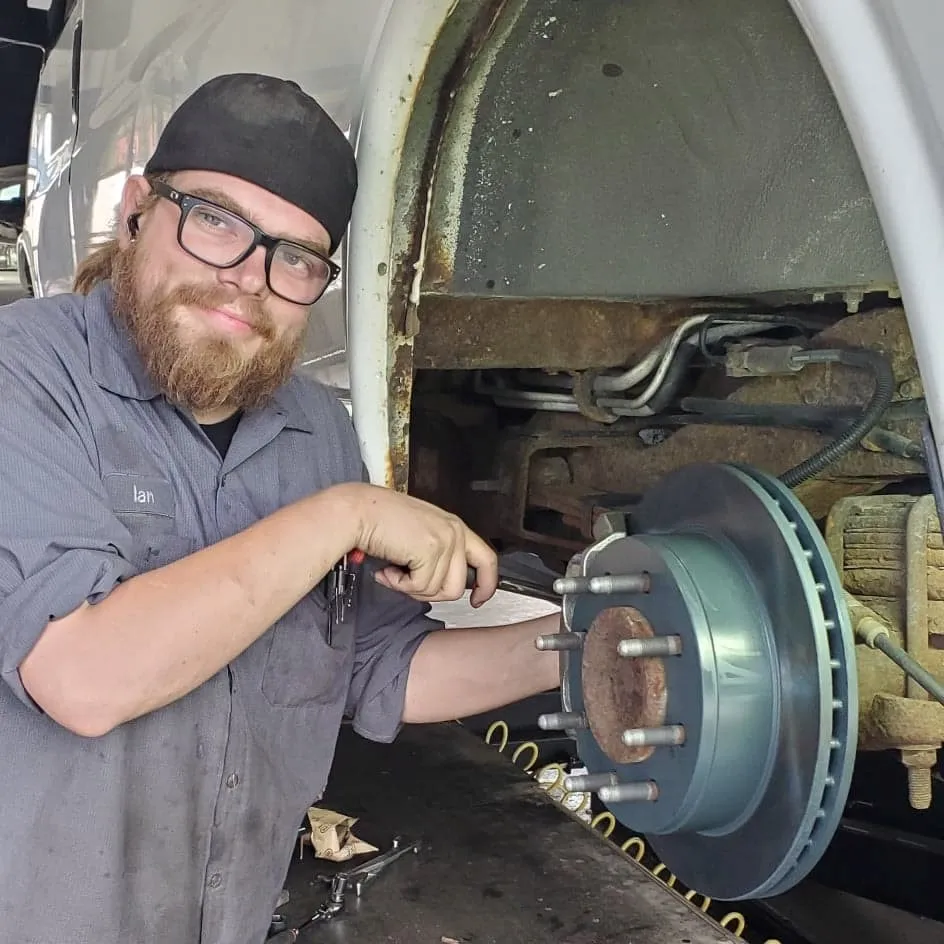
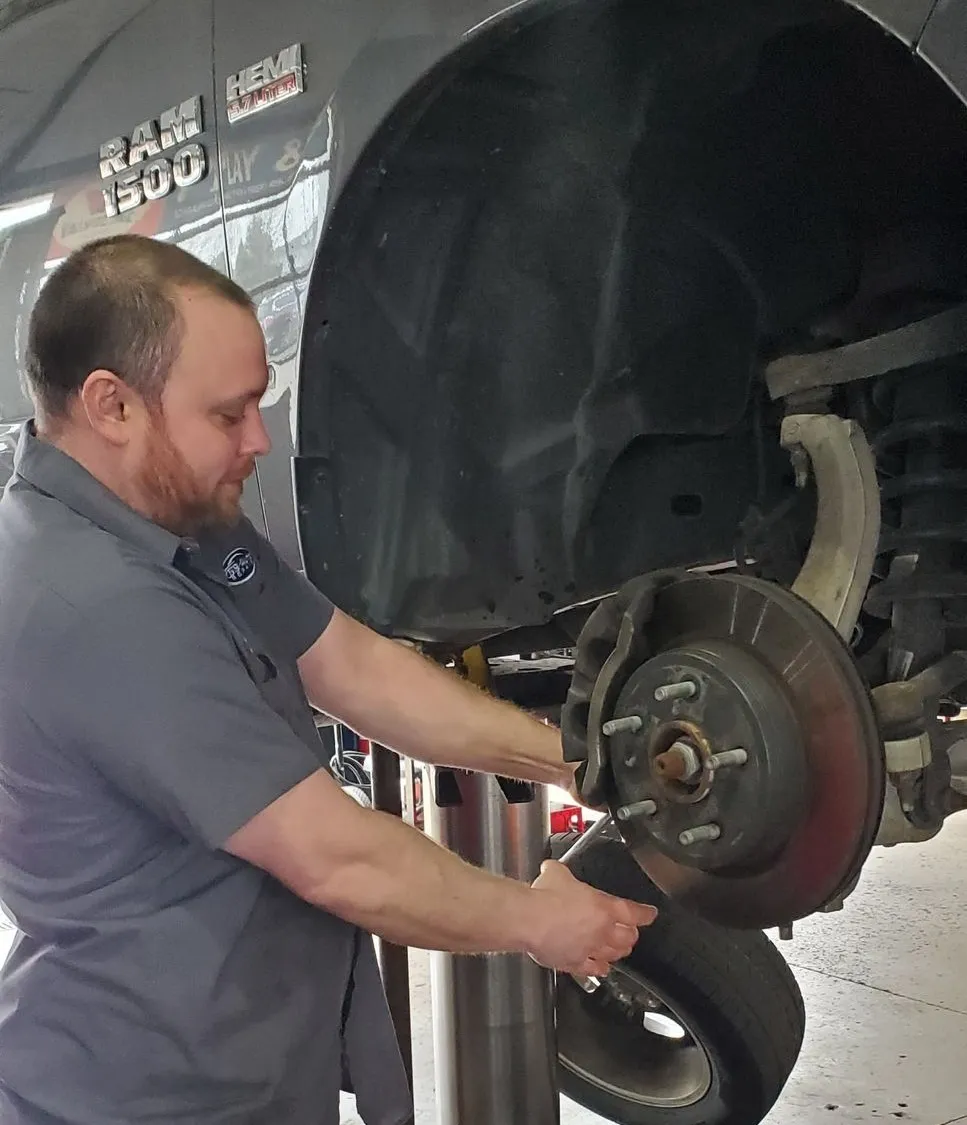
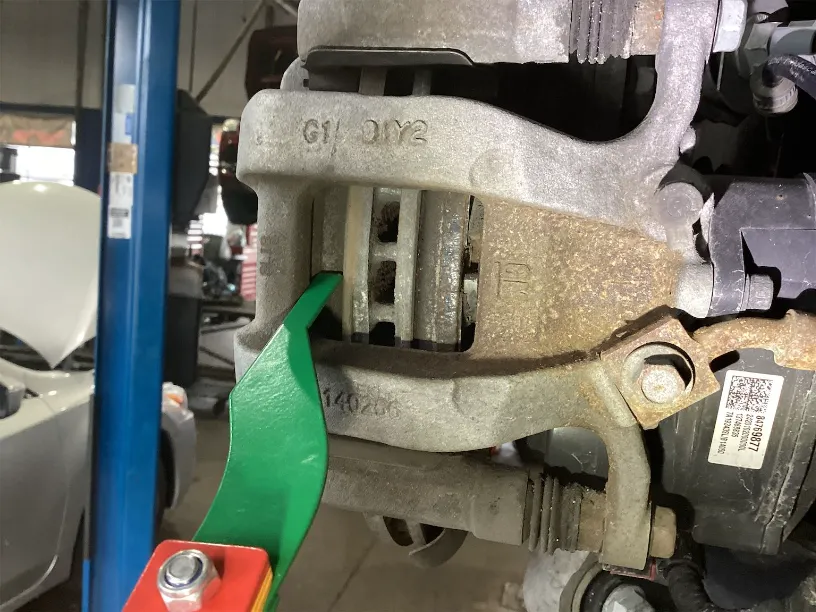
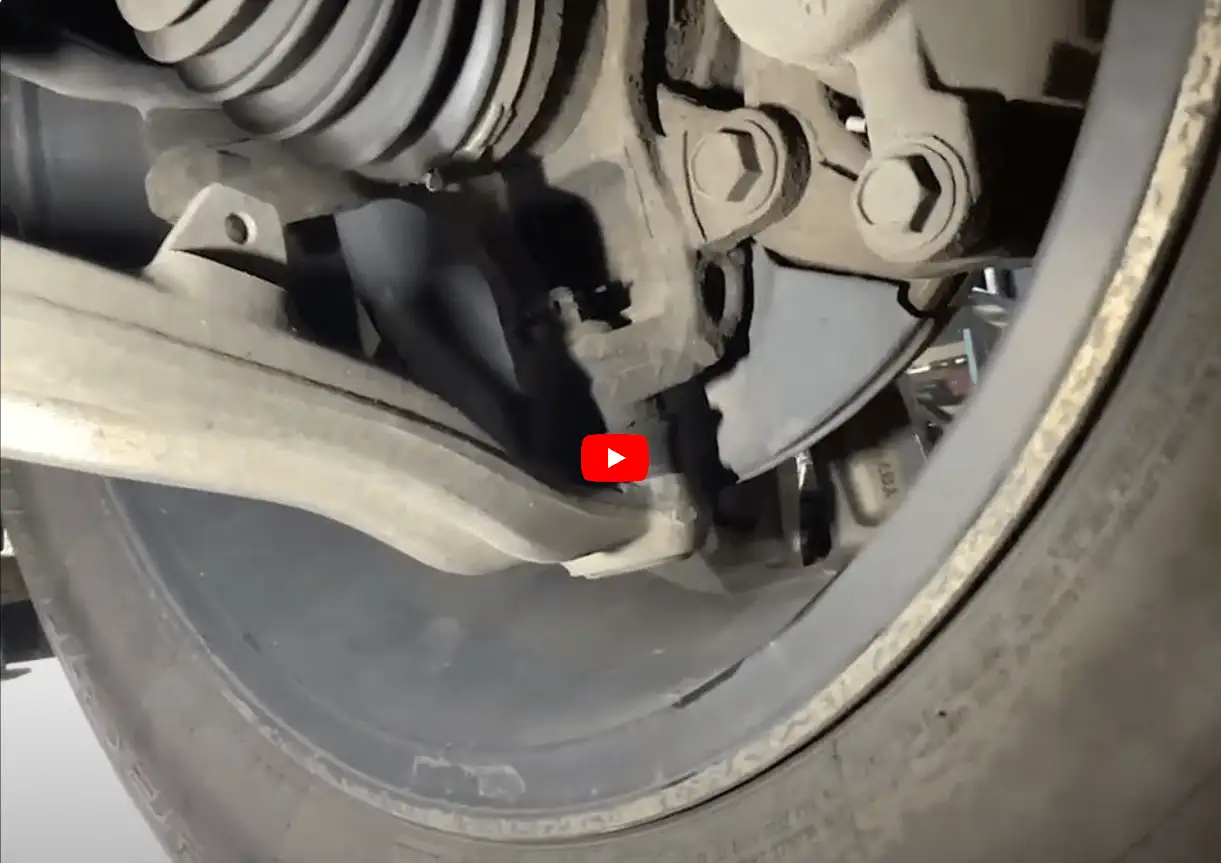
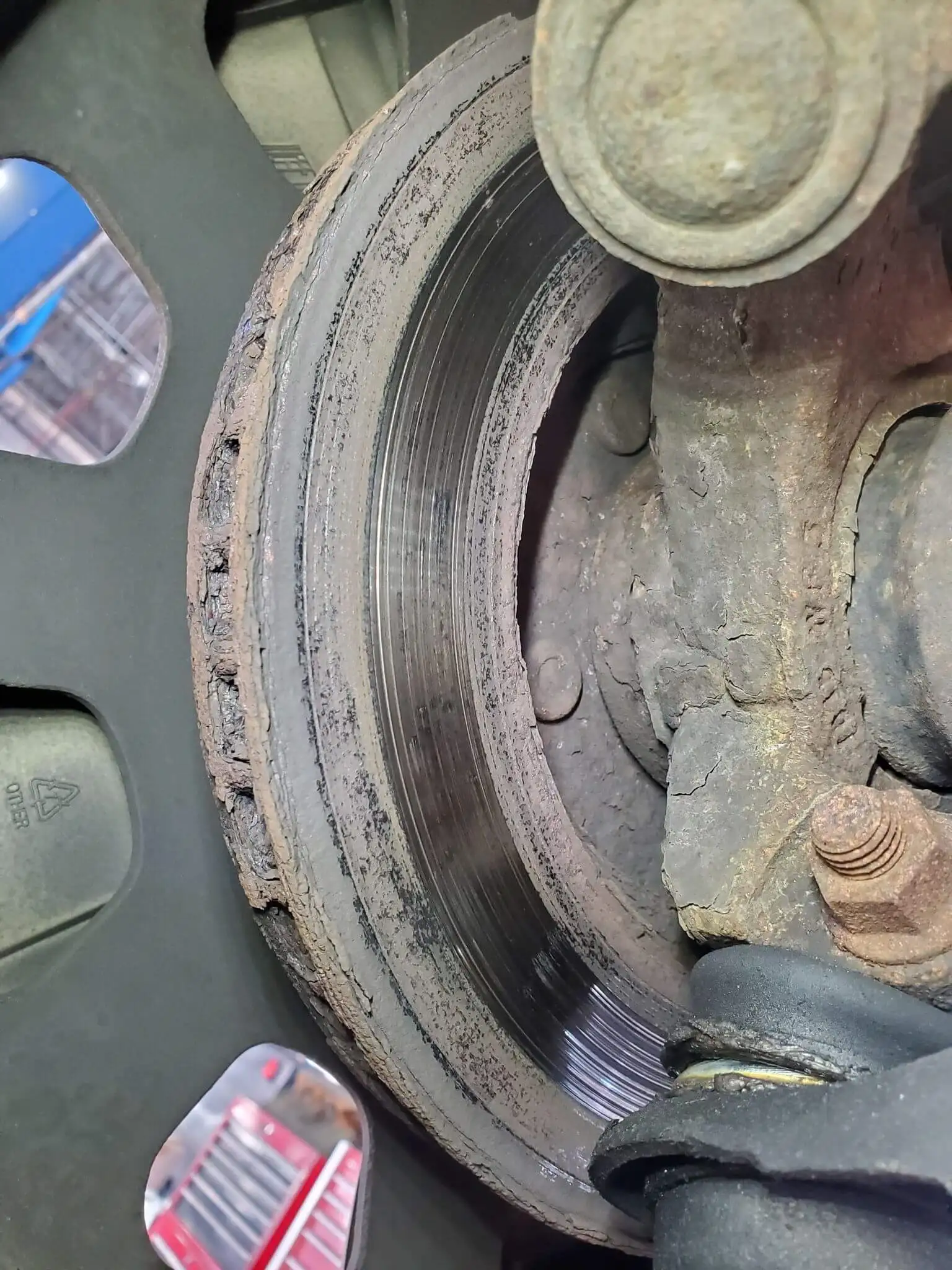
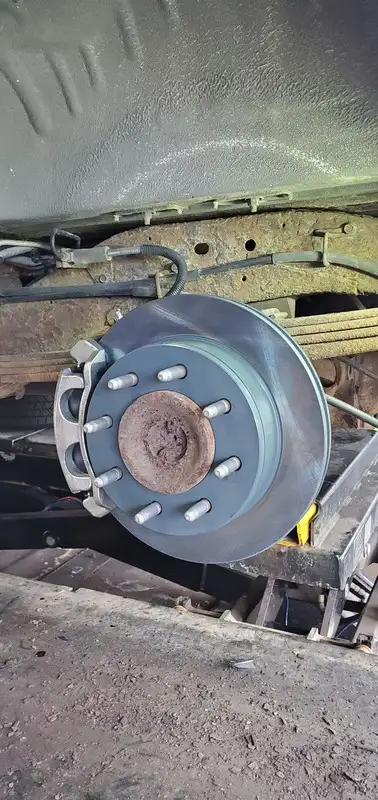
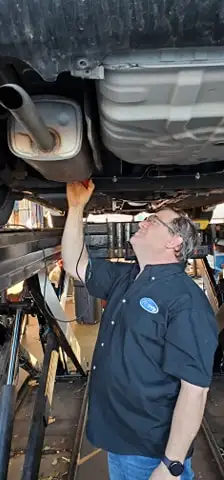
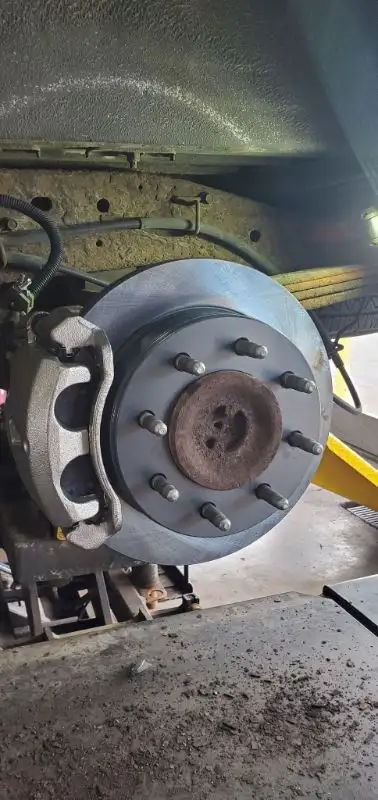
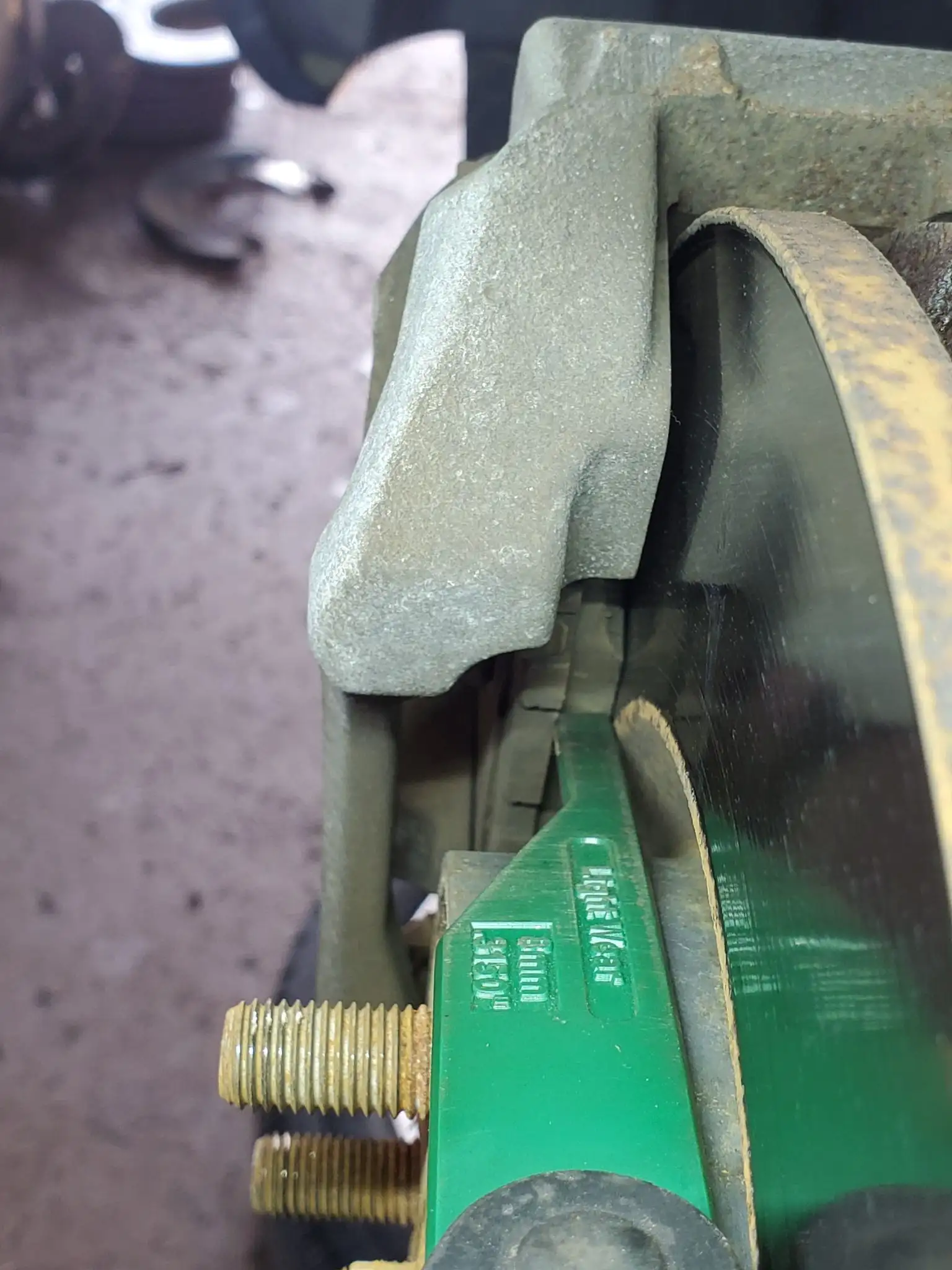
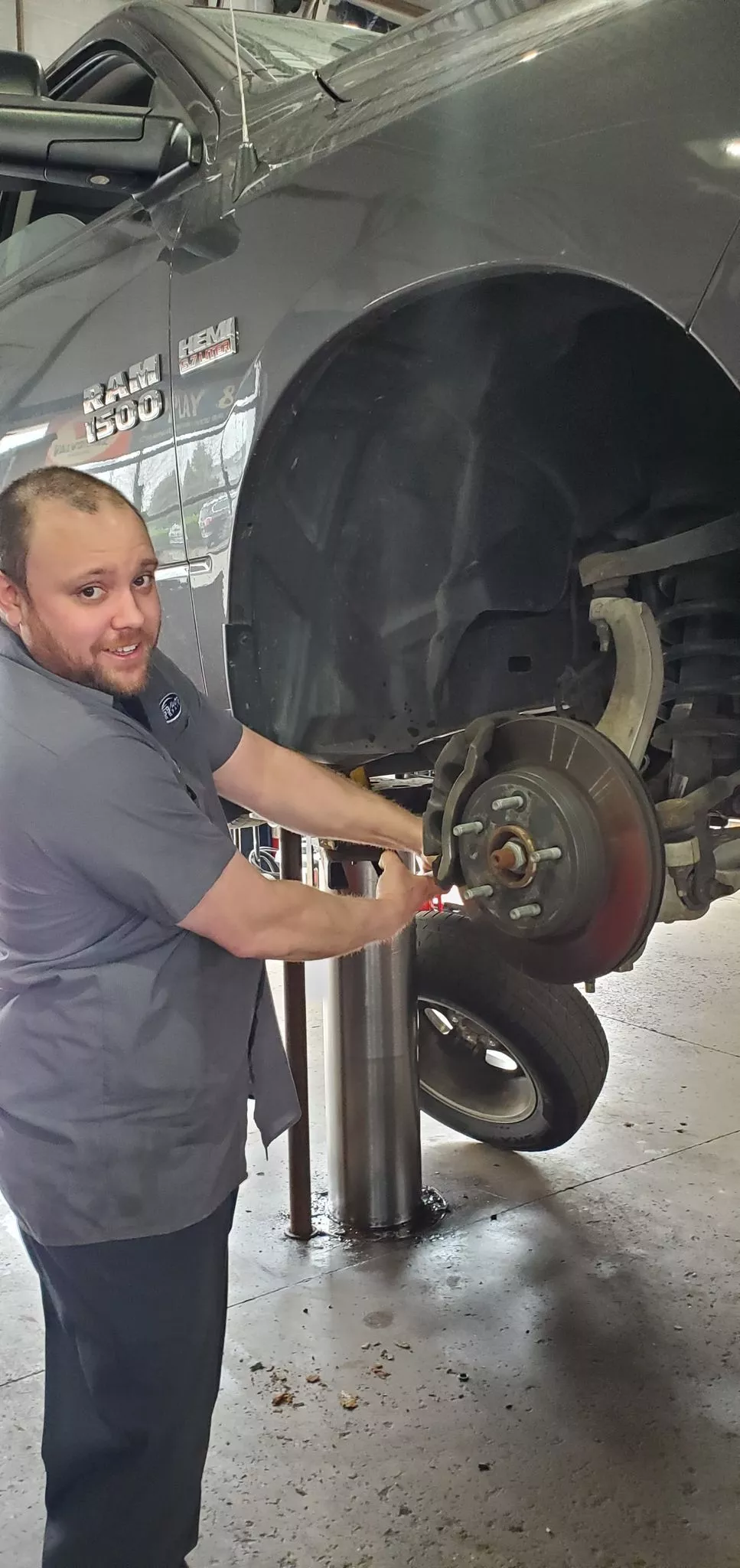
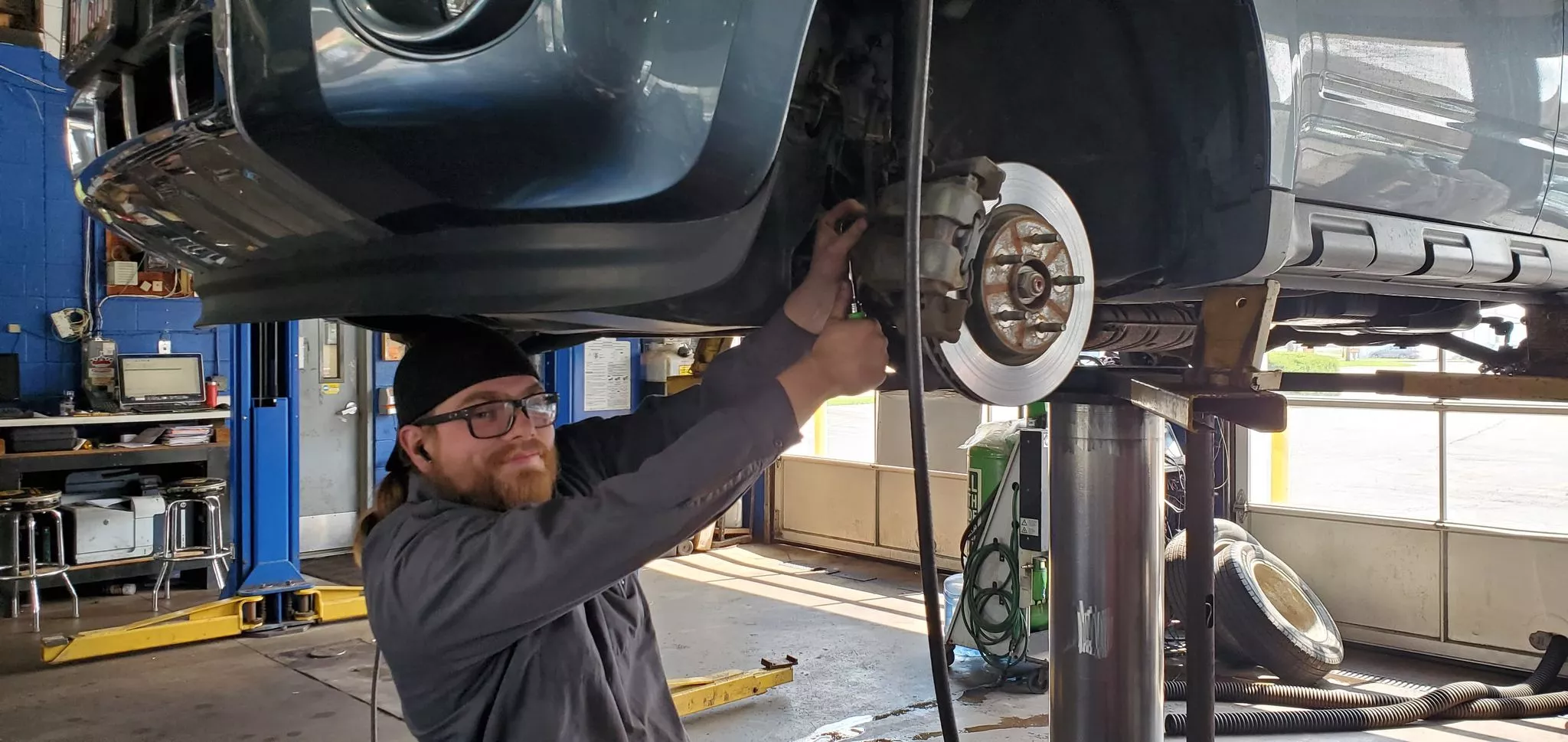
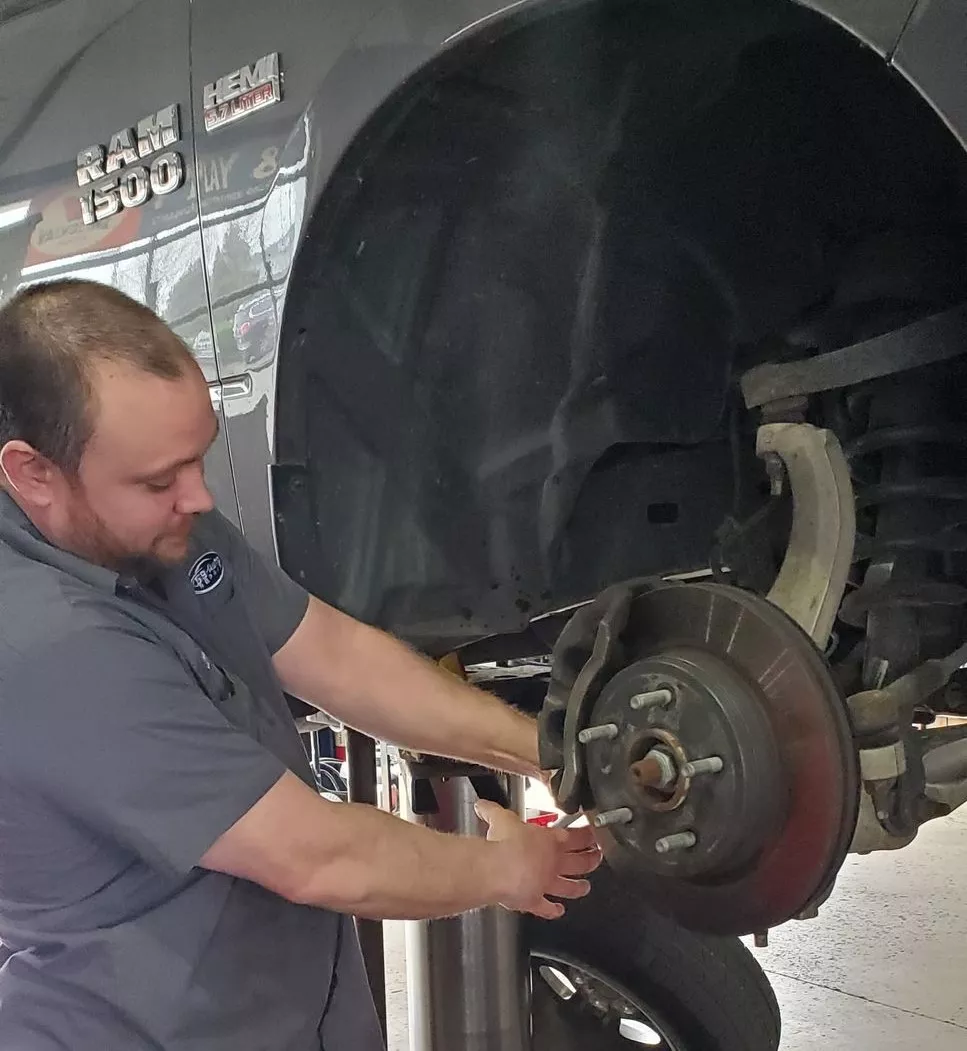
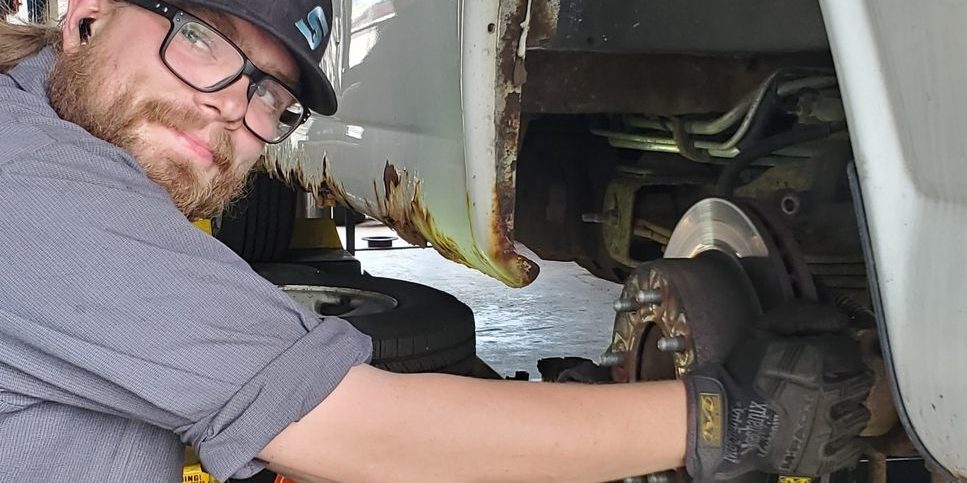
- Brake Inspection: Measuring the remaining thickness of the inner and outer brake pads and inspecting the rotors for scoring, heat damage, uneven wear, and minimum thickness specifications.
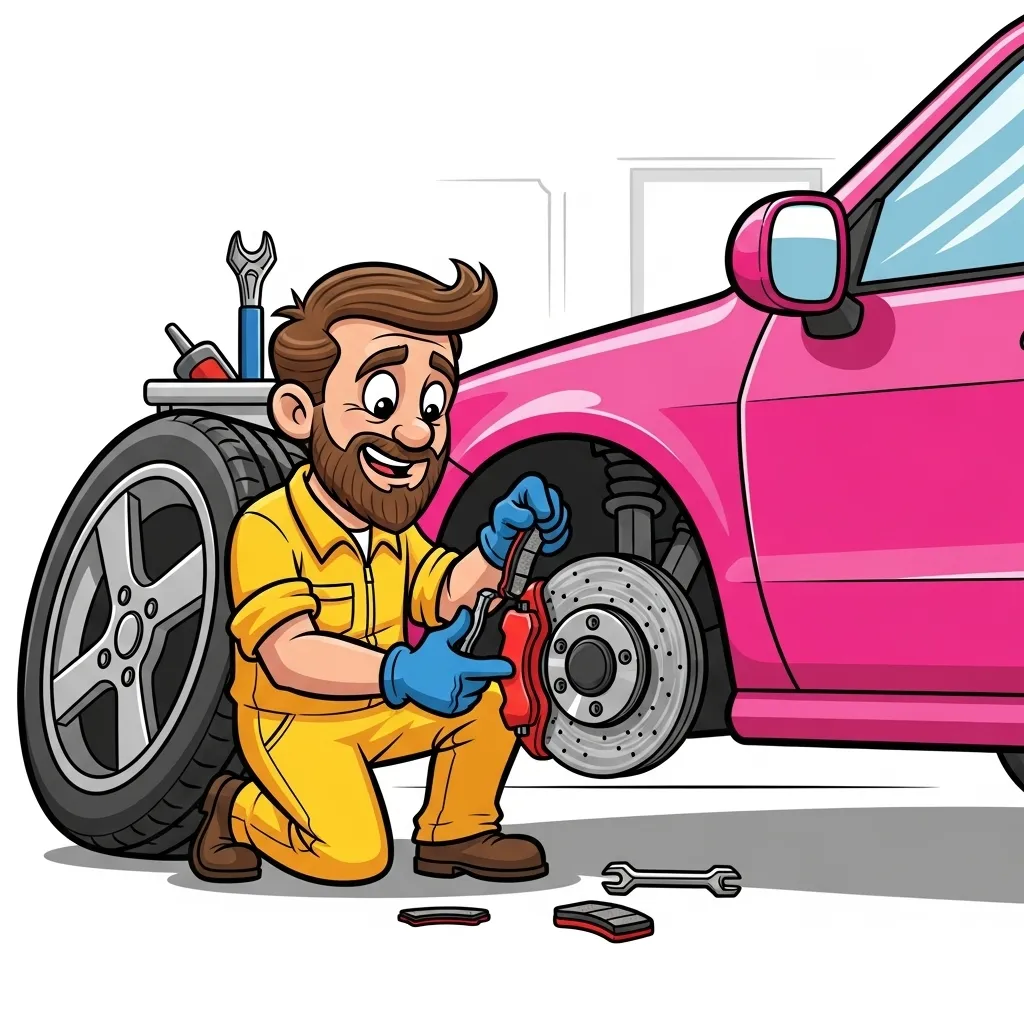
- Brake Pad Replacement: Installing new brake pads that meet the vehicle manufacturer's specifications.
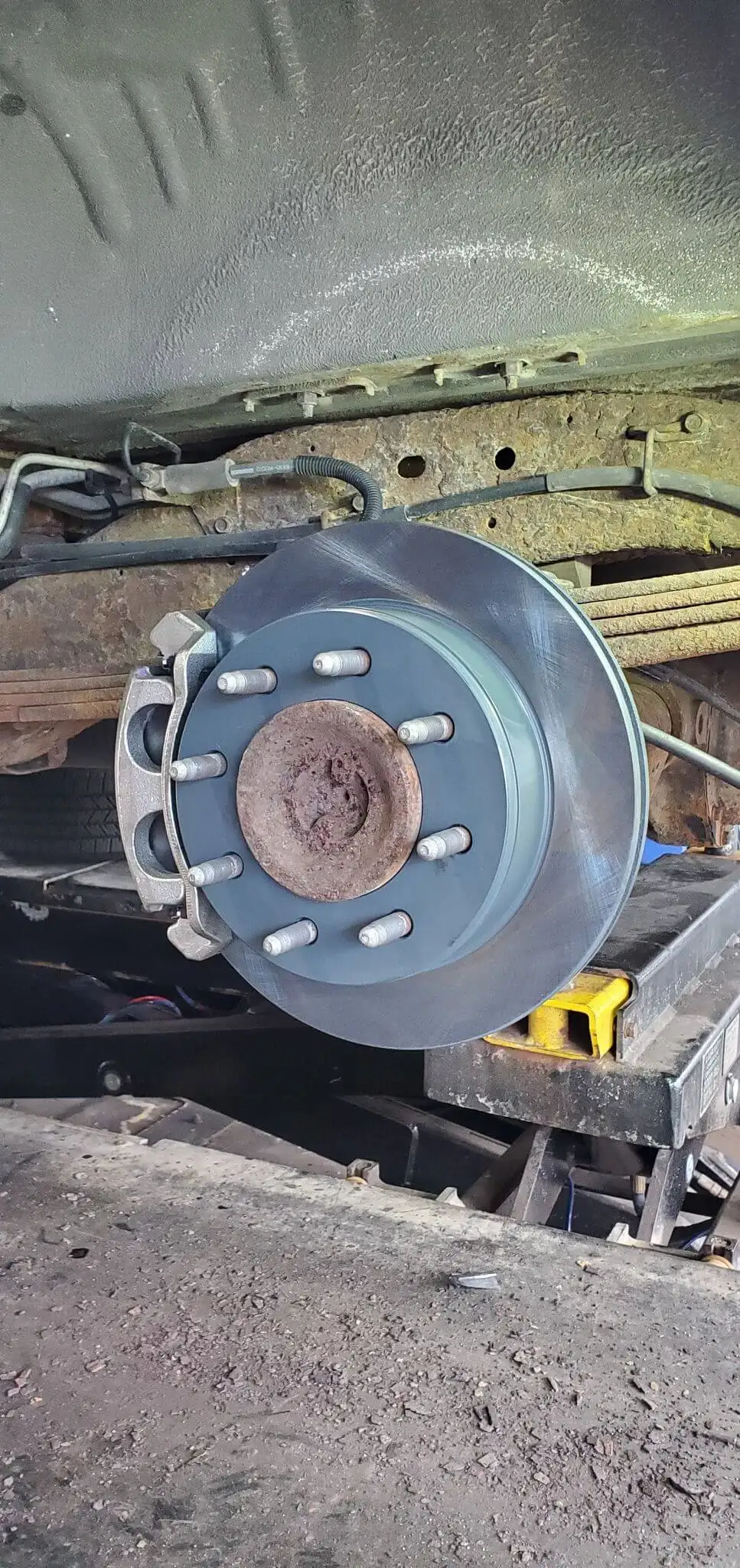
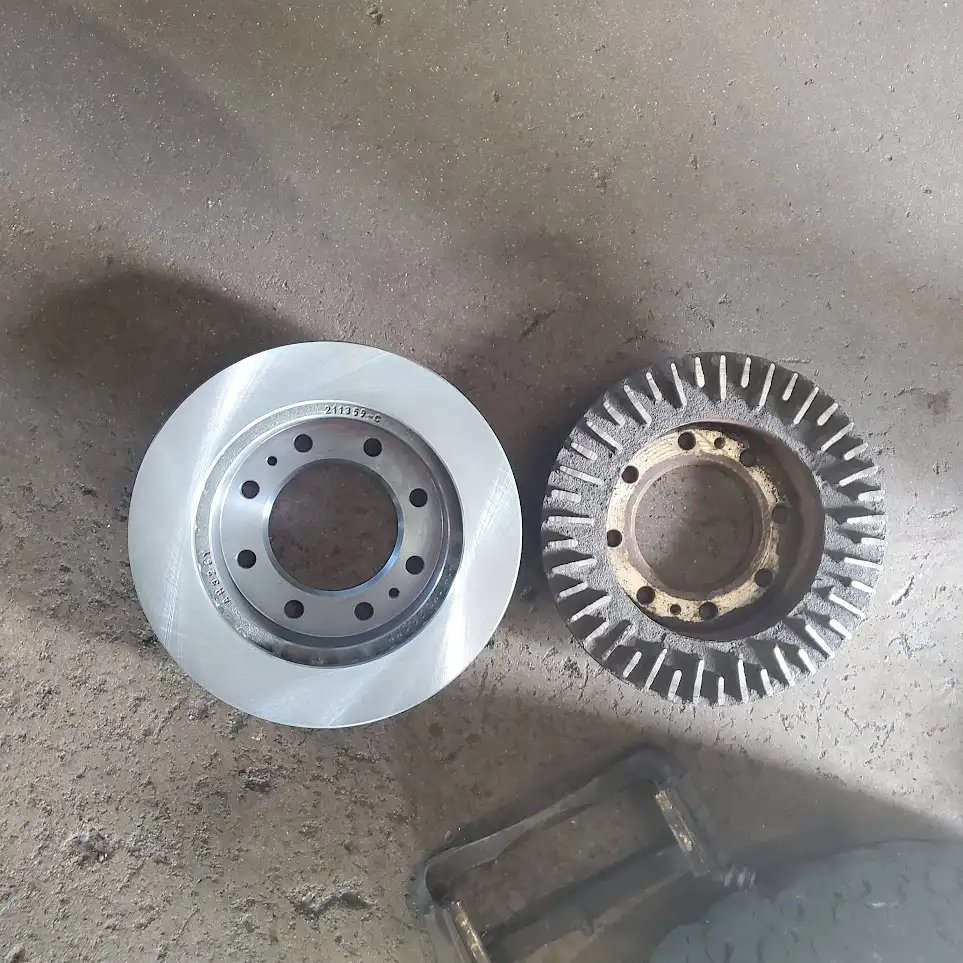
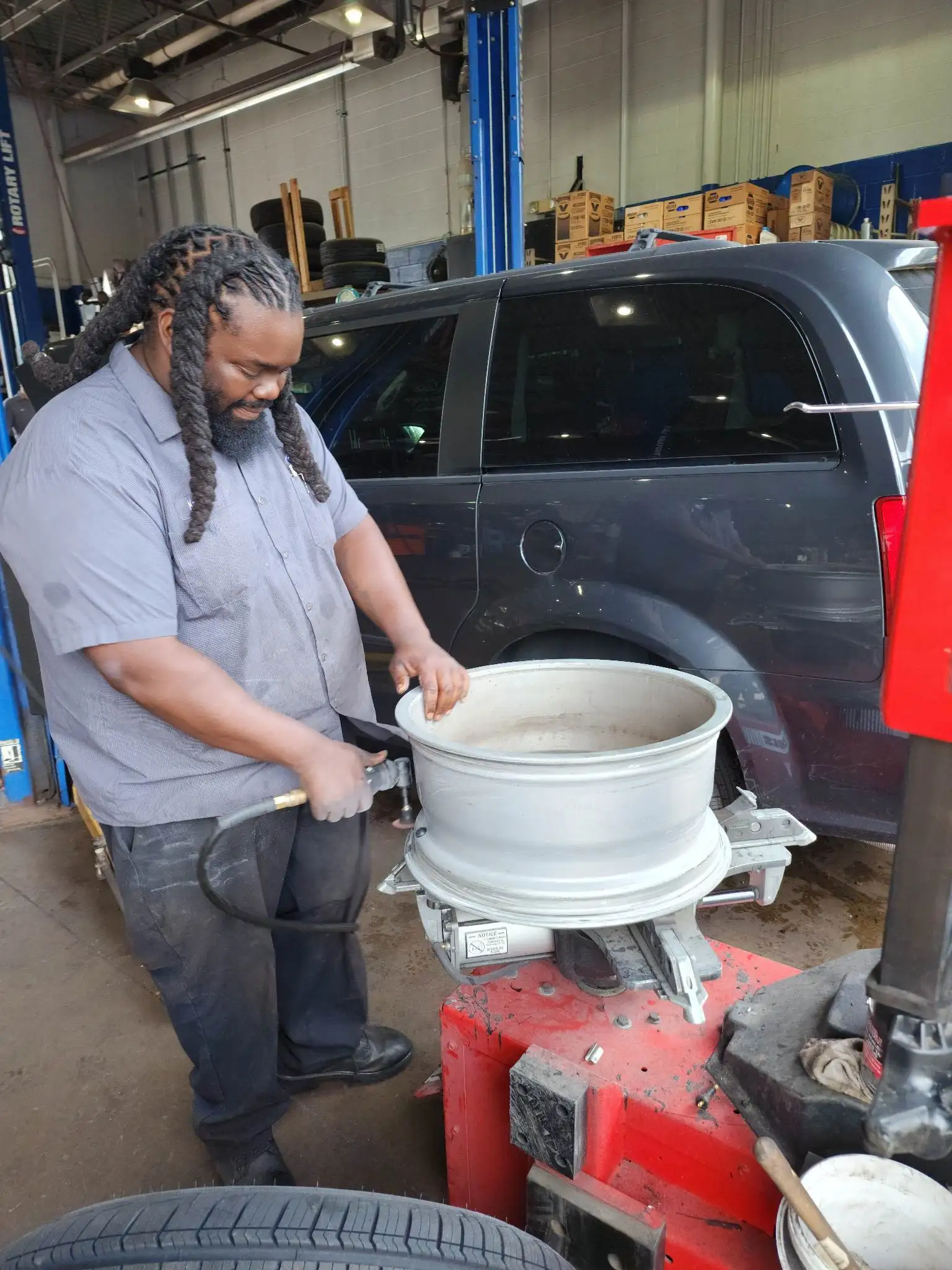
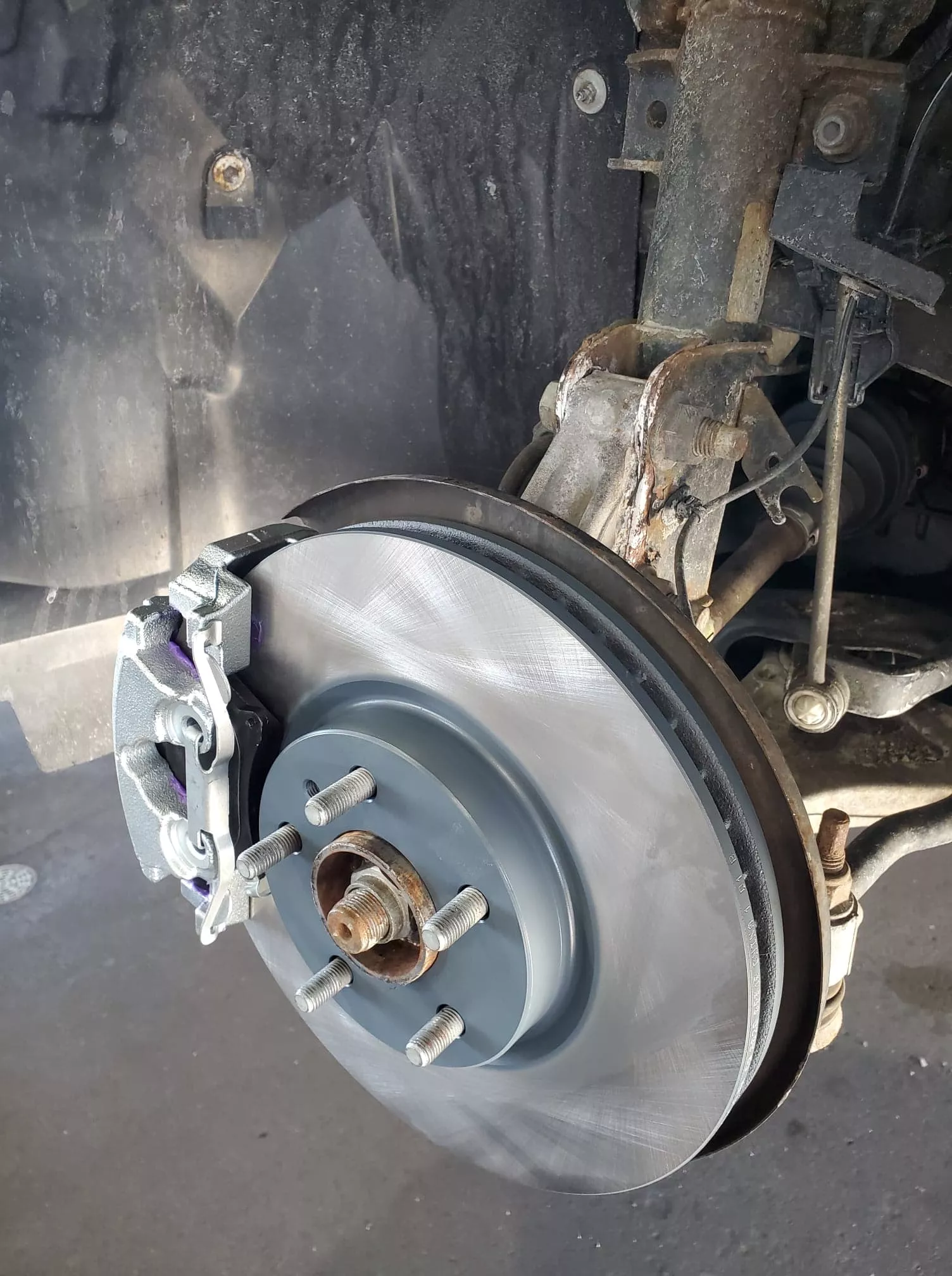
- Rotor Resurfacing or Replacement: Resurfacing rotors when appropriate and within specification, or replacing them when they are worn, damaged, or below the manufacturer's minimum thickness.
- Hardware Cleaning and Lubrication: Cleaning caliper brackets, replacing worn brake hardware when needed, and applying the proper high-temperature brake lubricant to approved guide pins and contact points.
If your vehicle's brakes are squeaking, squealing, or due for maintenance, now is an ideal time to have them inspected while supporting an important cause.
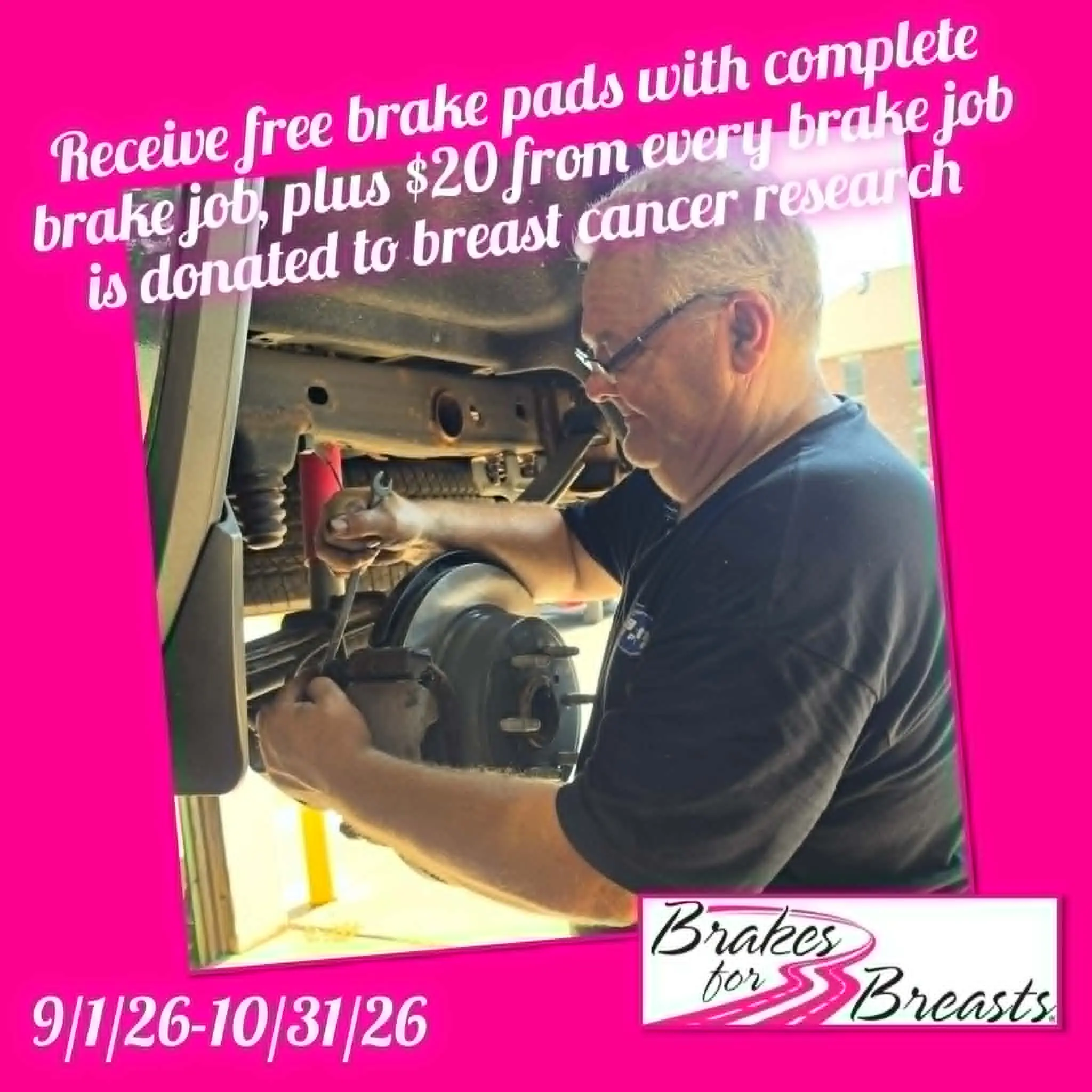
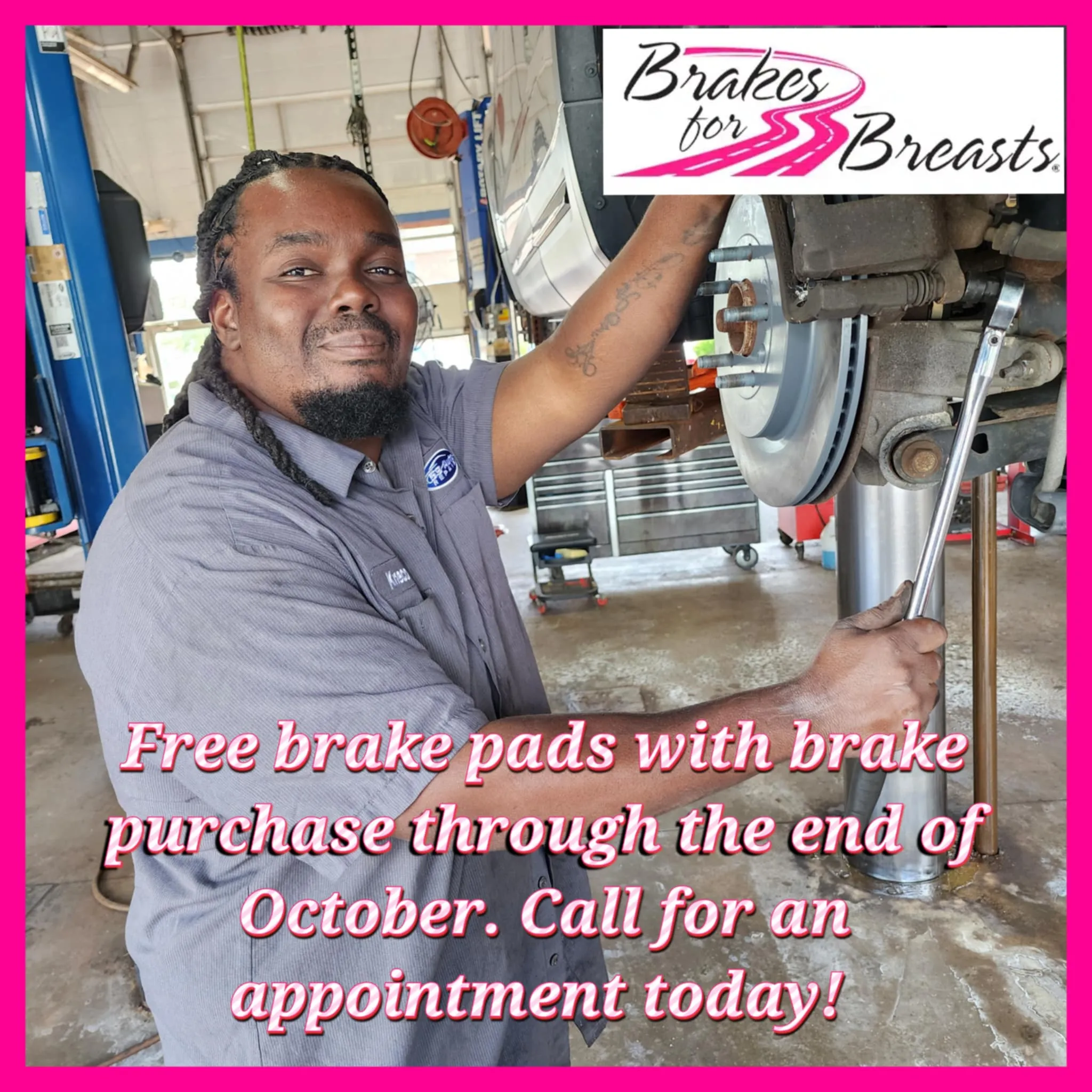
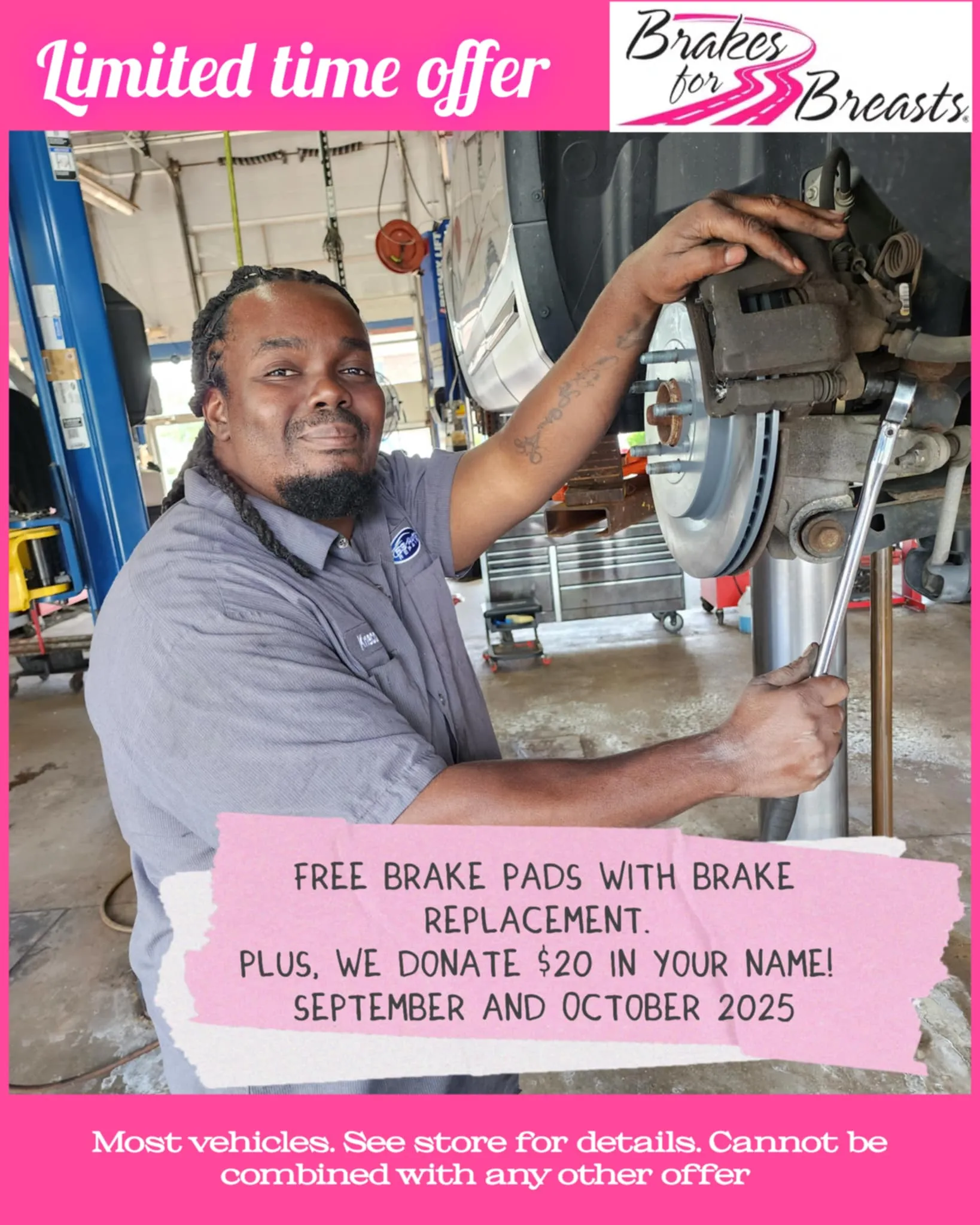
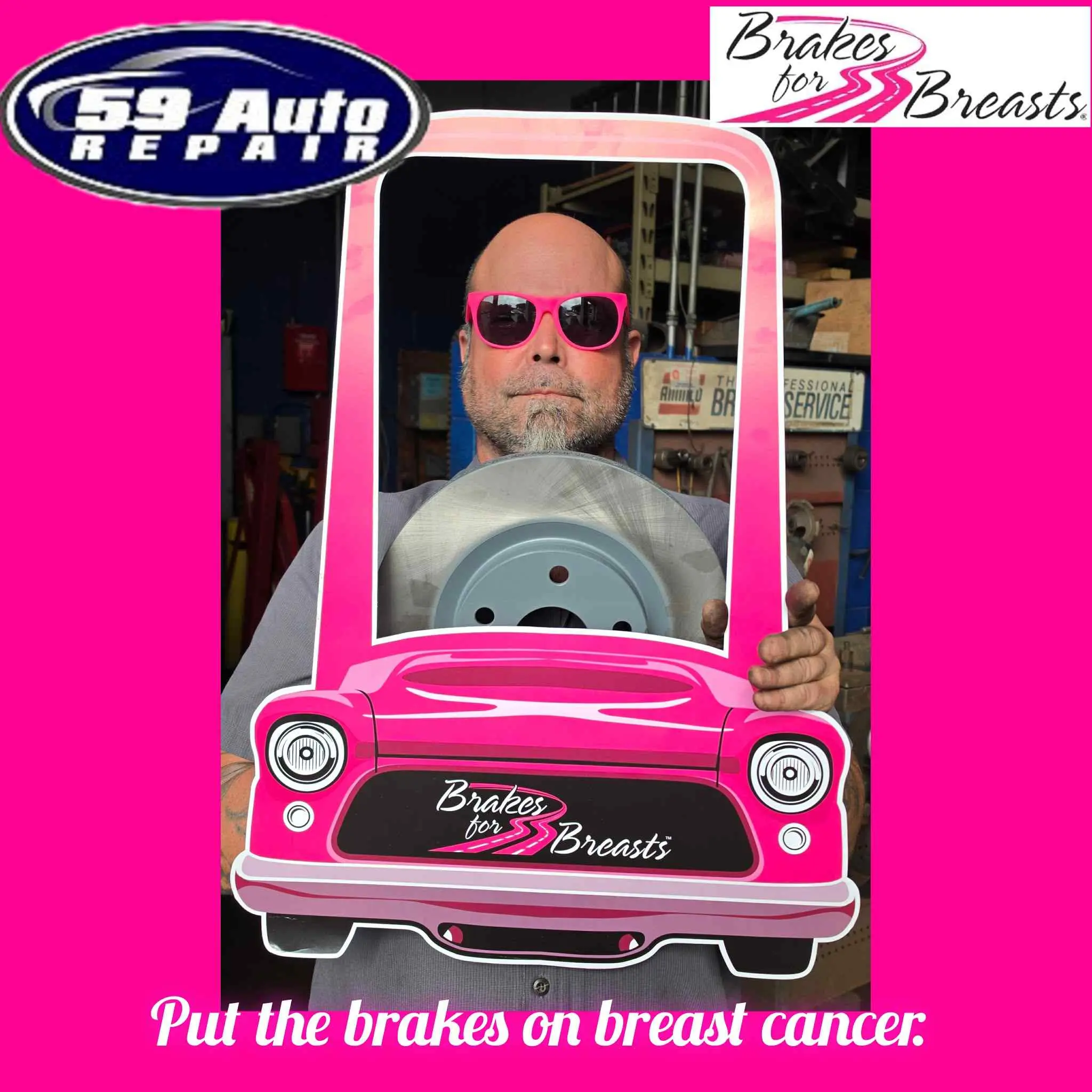
Now through October 31, 2026, customers can receive FREE brake pads at 59 Auto Repair as part of our annual participation in the Brakes for Breasts campaign.
Here is how the promotion works:
- Receive 100% free brake pads with a qualifying brake service.
- You pay for labor and any additional parts or services required, such as rotors or brake hardware.
- $20 of your total service cost is donated to the Cleveland Clinic Breast Cancer Vaccine Research Fund.
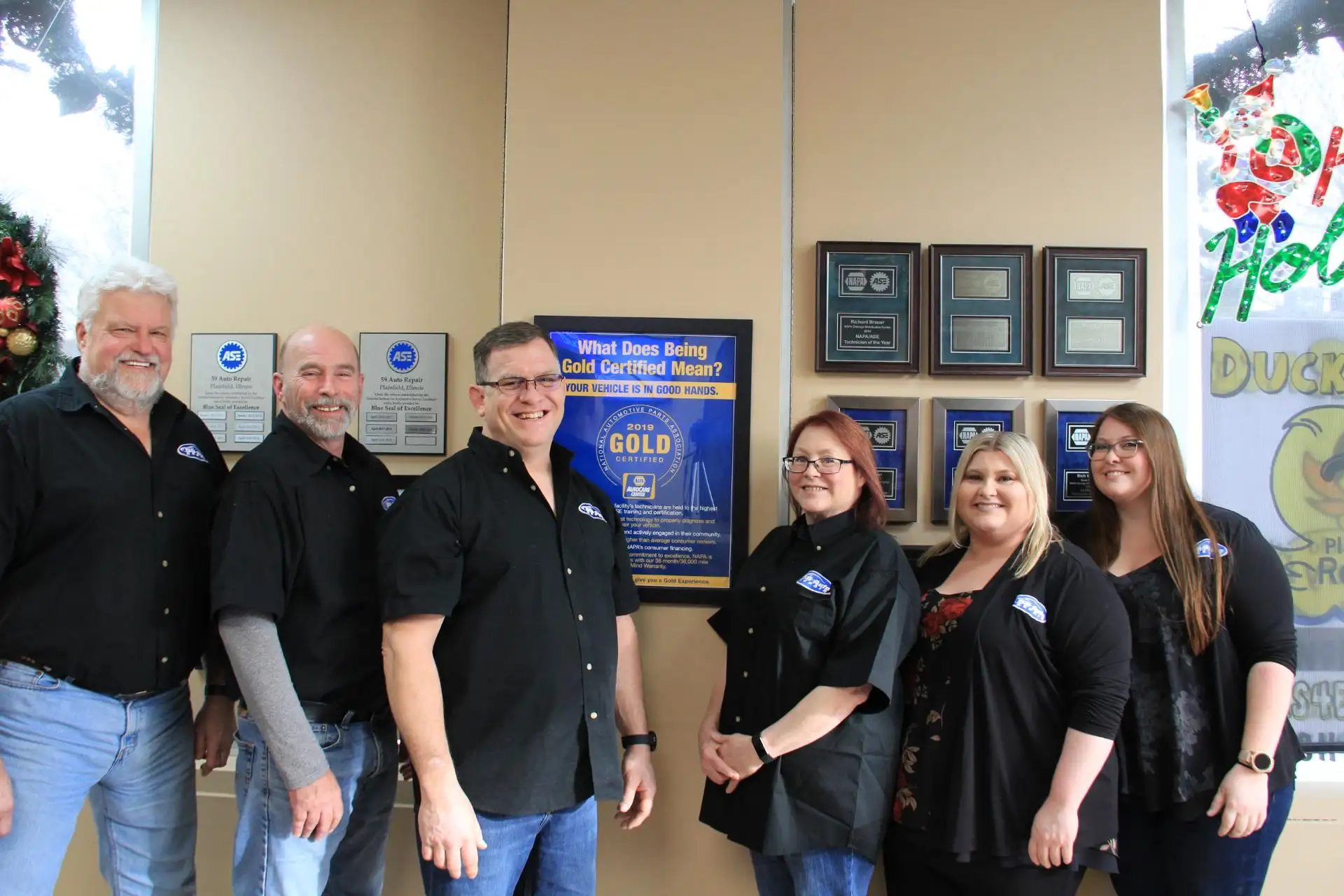
Keep your vehicle safe on the road while helping support breast cancer vaccine research. Visit 59 Auto Repair in Plainfield or call to schedule your brake inspection before the promotion ends on October 31, 2026.