If you’ve ever noticed an unusual clunking noise under the hood when shifting gears or felt your steering wheel vibration intensify while idling at a stoplight, you might be wondering: What is a motor mount, and how do I know if mine is failing? While motor mounts aren't a component most drivers think about every day, they play a critical role in keeping your vehicle running smoothly, quietly, and safely. Understanding how motor mounts work—and recognizing the early warning signs of wear and tear—can save you from expensive secondary repairs down the road.
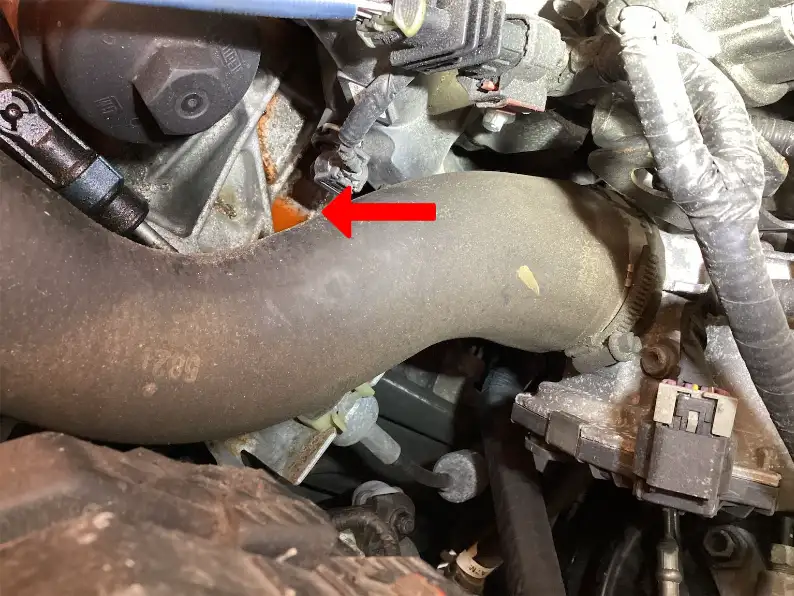
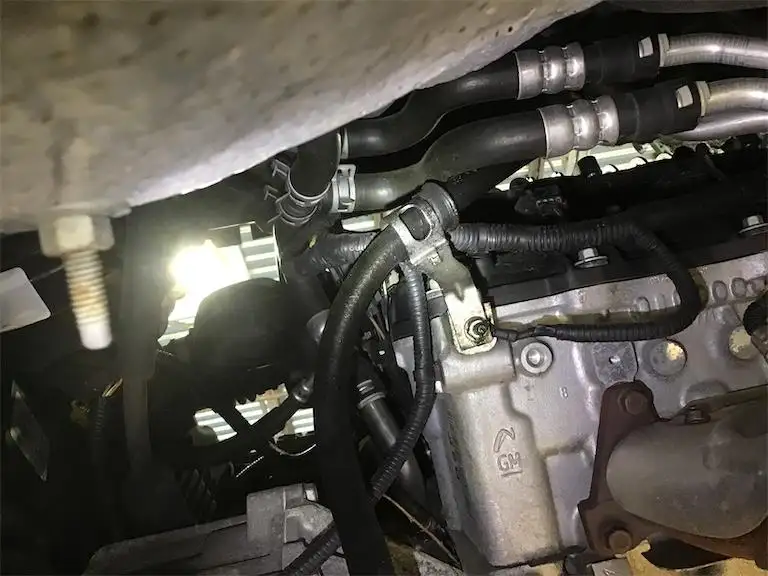
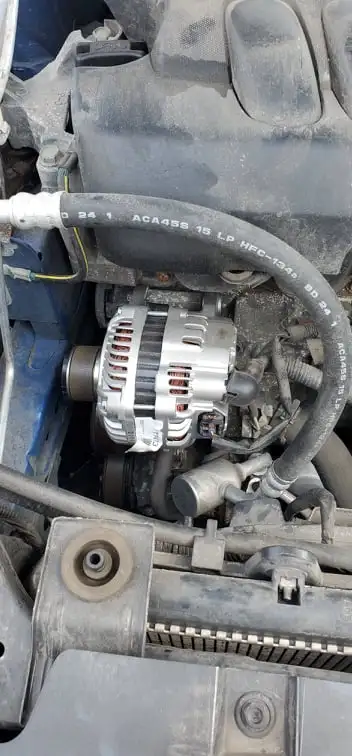
To understand why a motor mount is so essential, it helps to look at what is happening under your hood. Your vehicle's engine and transmission generate immense power and torque whenever the engine is running. A motor mount (sometimes referred to as an engine mount) is the component that secures the engine and transmission directly to the vehicle’s frame or subframe. Most cars, trucks, and SUVs feature between three and five motor mounts. They are typically constructed from heavy-duty metal brackets holding a durable rubber or polyurethane insulator block. High-end or modern vehicles may even use liquid-filled hydraulic motor mounts designed to absorb higher-frequency engine vibrations.
The primary function of a motor mount is twofold: physical support and vibration dampening. First, it holds the heavy engine precisely in place so that it does not shift out of alignment during acceleration, braking, or sharp turns. Second, because an internal combustion engine creates continuous rotational force and kinetic energy, the rubber or fluid within the motor mount acts as a shock absorber. Without functioning motor mounts, the severe shaking, twisting, and vibration generated by your engine would transfer directly into the cabin, creating an uncomfortable drive and causing rapid wear on connected parts.
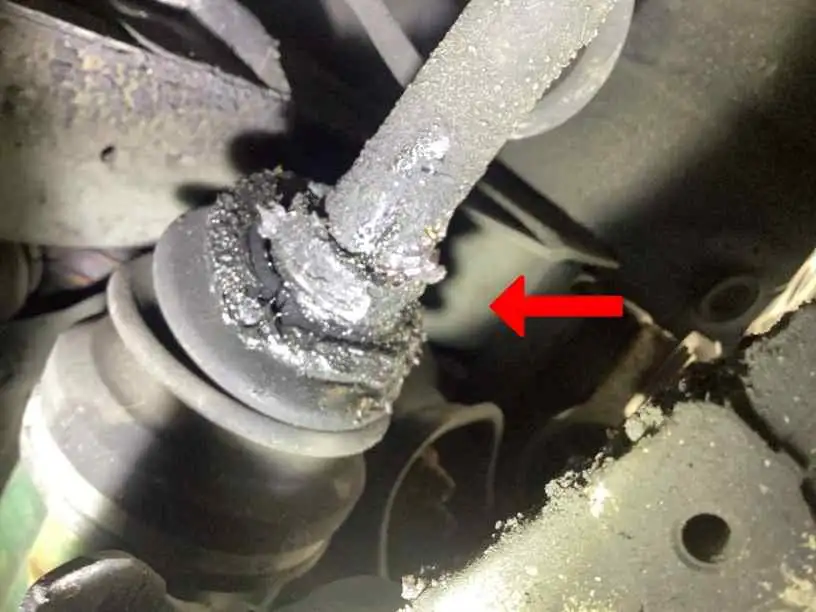
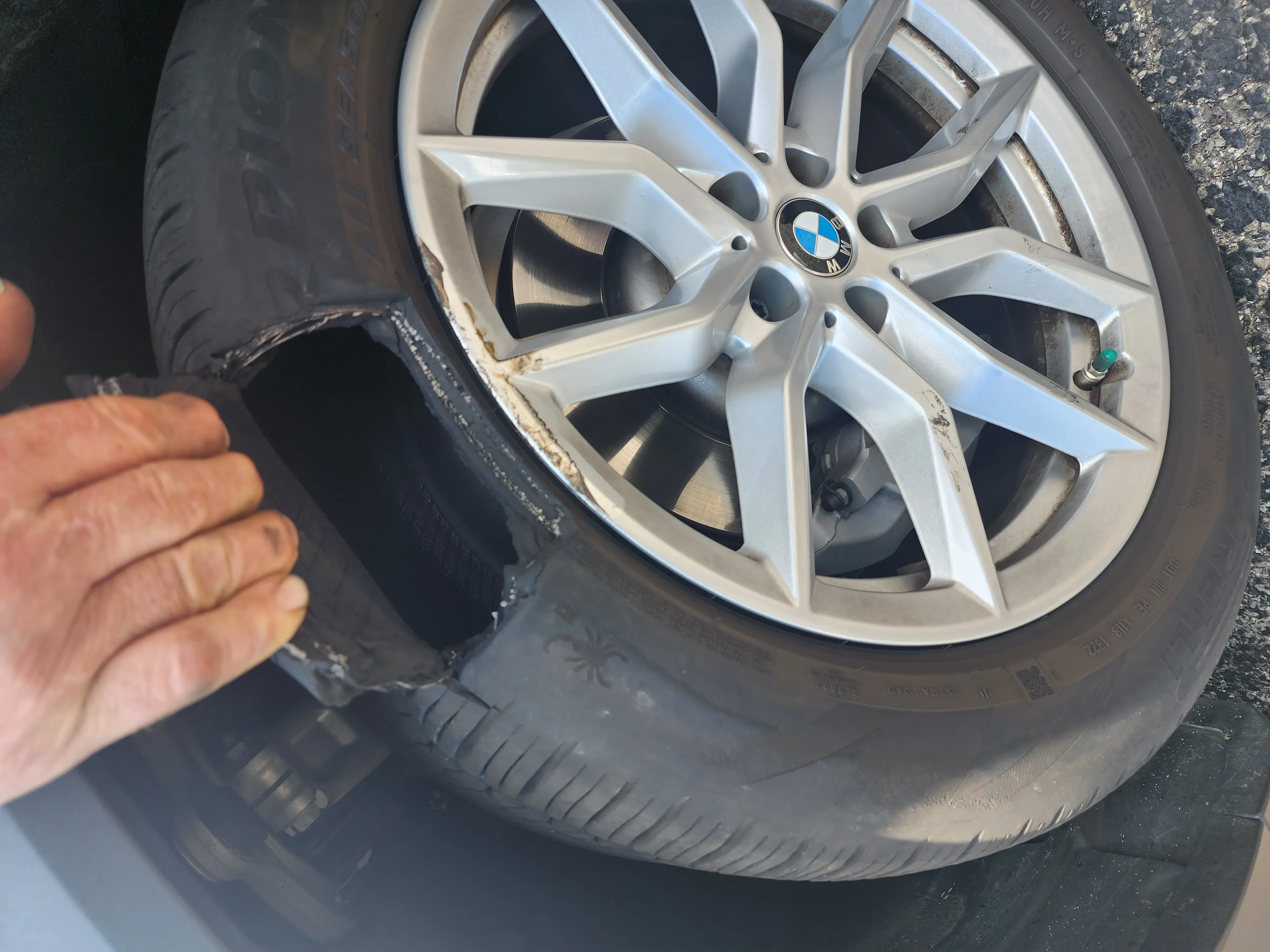
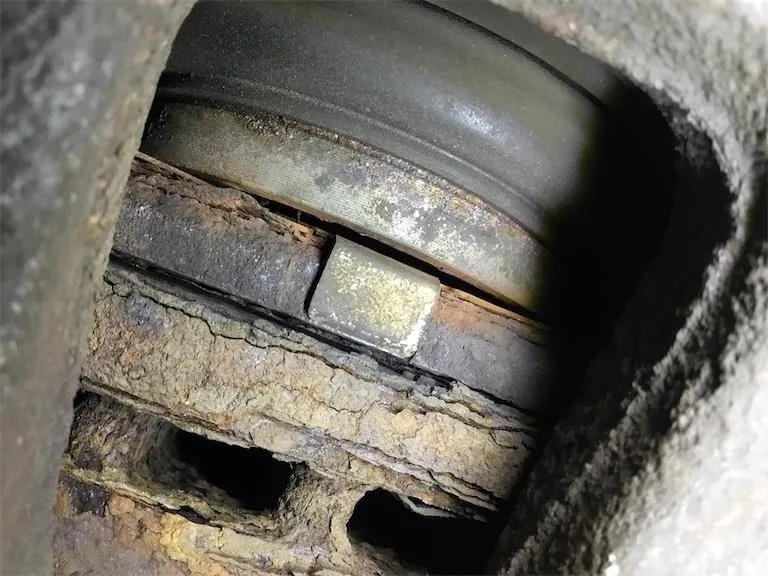
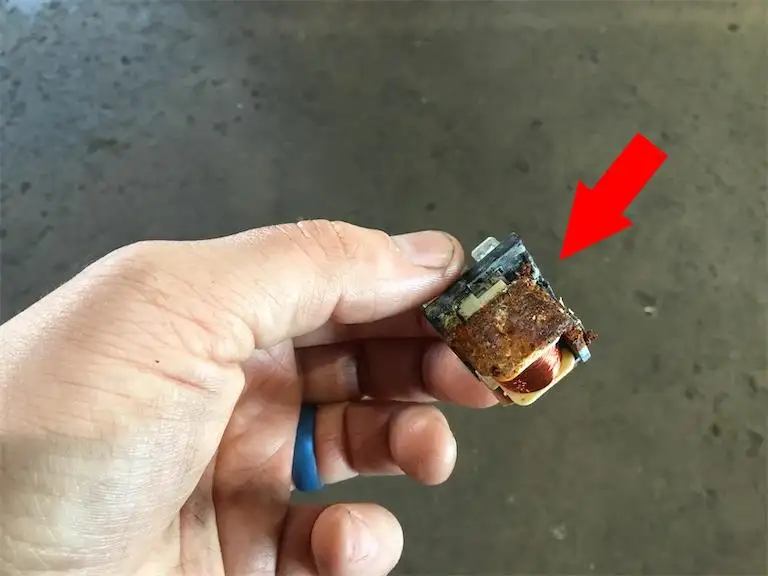
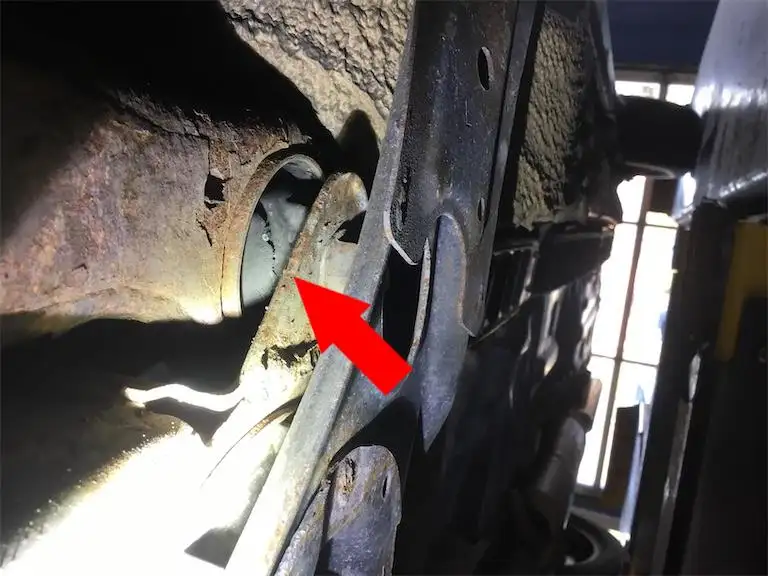
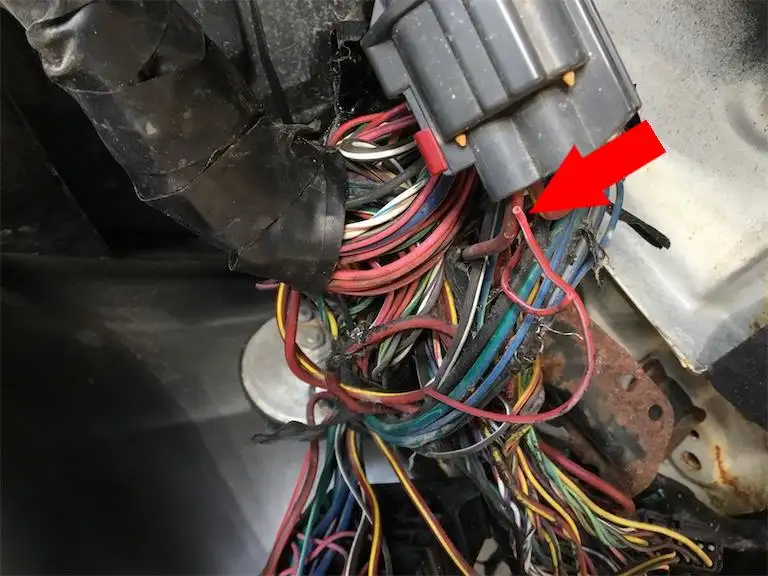
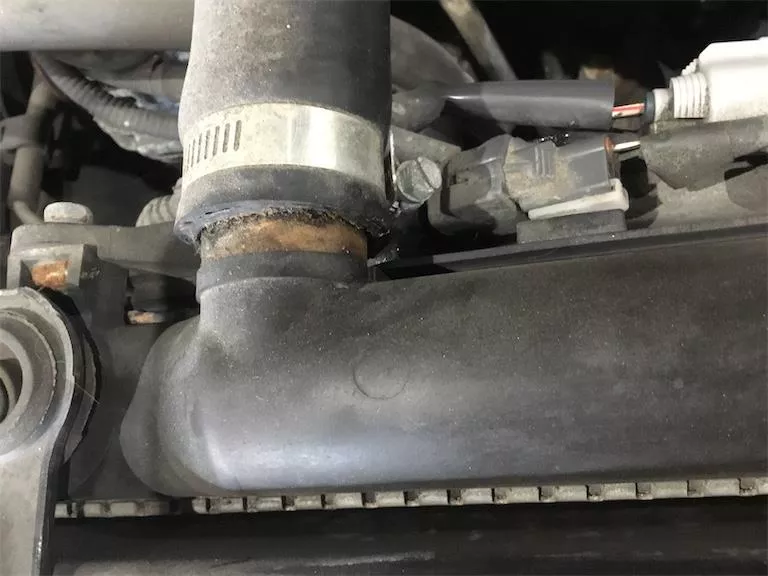
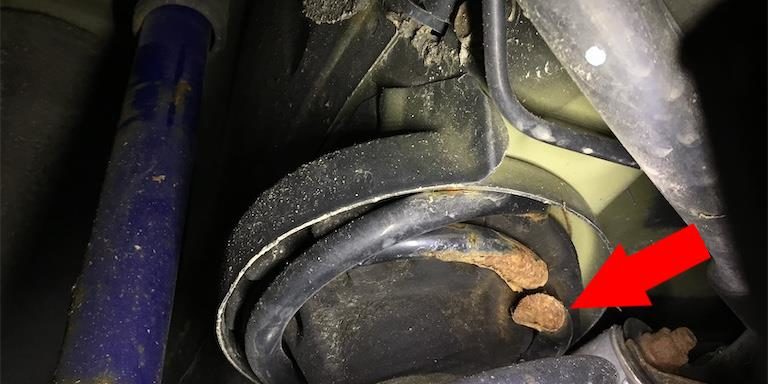
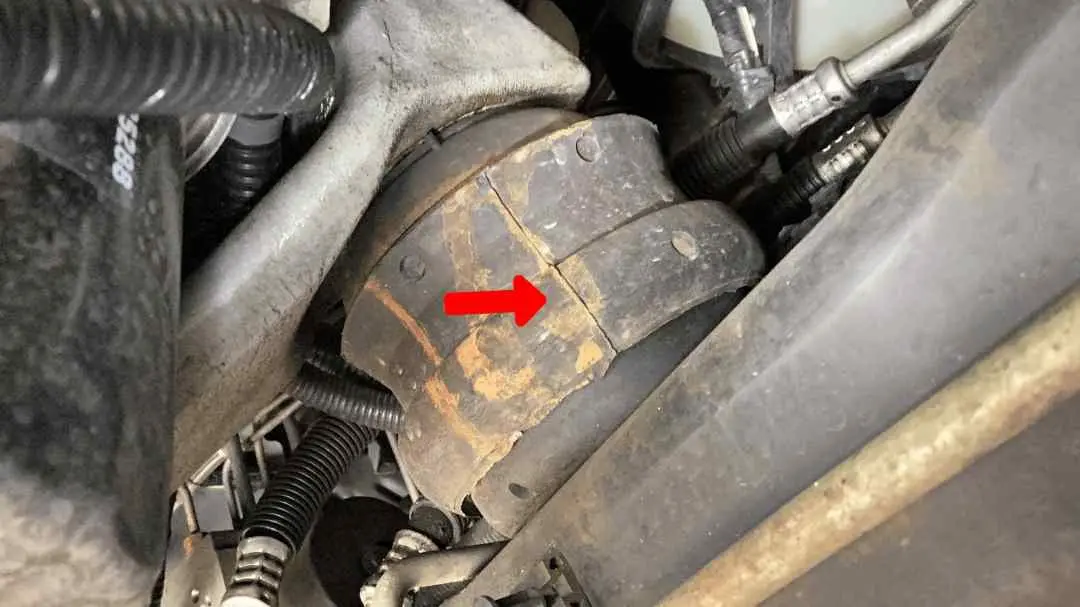
Over time, constant exposure to extreme engine bay heat, engine oil or fluid leaks, road salt, and harsh road conditions causes the rubber material inside a motor mount to harden, crack, tear, or separate completely. When a motor mount fails, the symptoms become hard to ignore. The most common sign of a failing motor mount is excess vibration inside the vehicle, particularly when idling in drive or reversing. You may also hear a loud "thunk" or "clunk" coming from the engine bay when you shift out of park, accelerate hard, or step on the brake. In severe cases, a completely broken motor mount allows the engine to tilt or lift, putting excessive strain on your exhaust pipes, radiator hoses, wiring harnesses, and driveshafts.
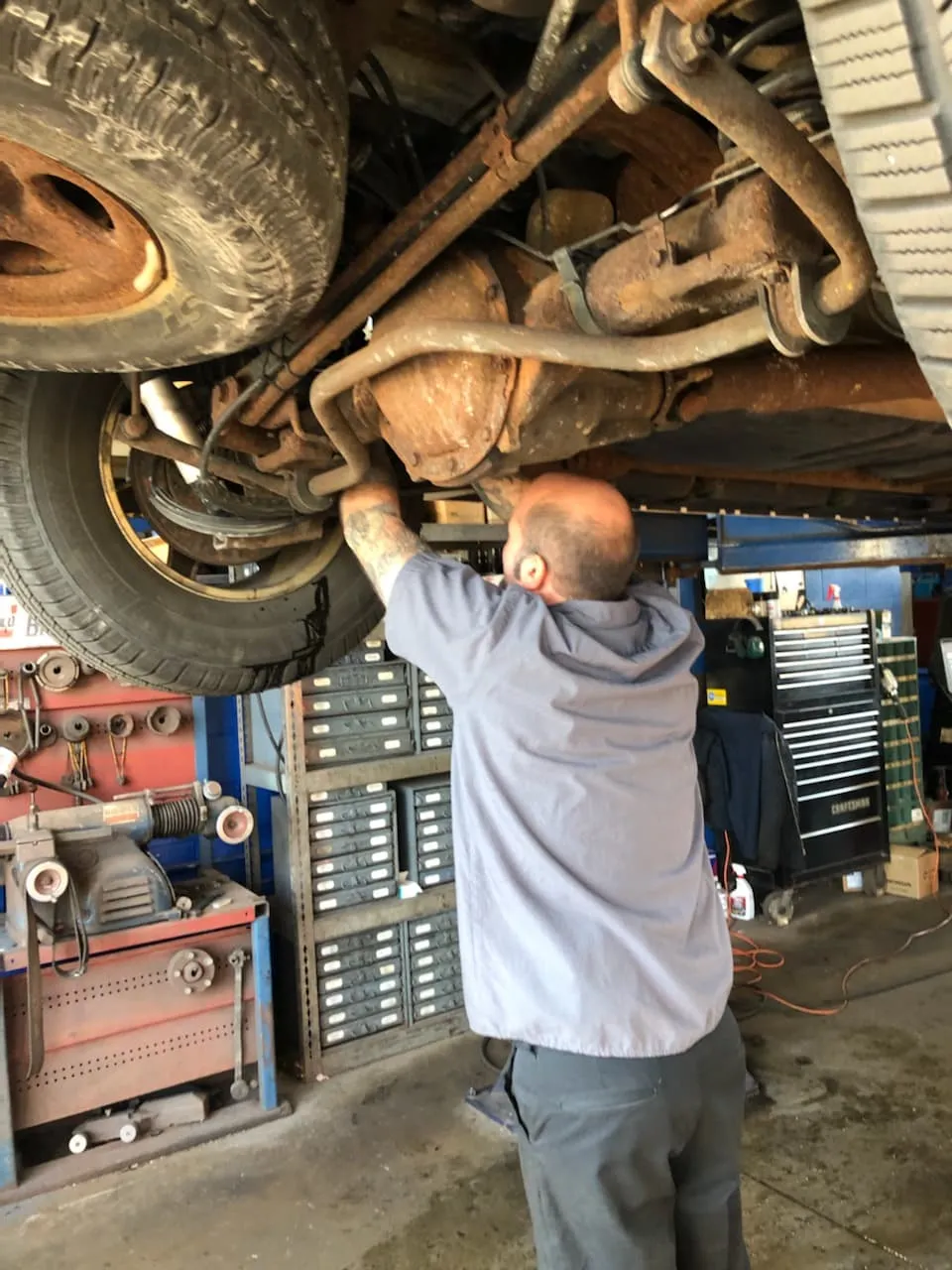
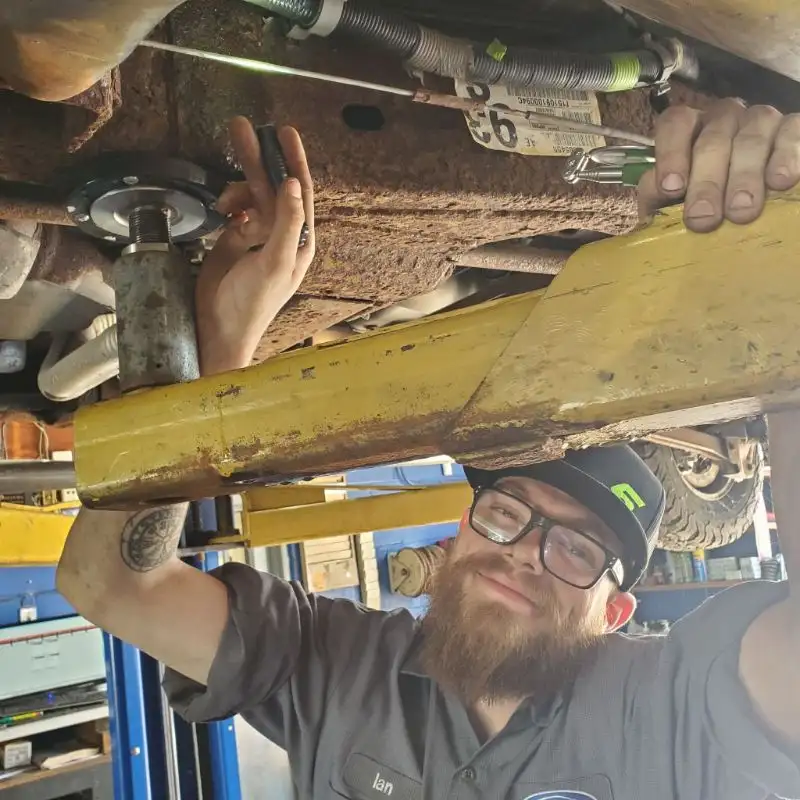
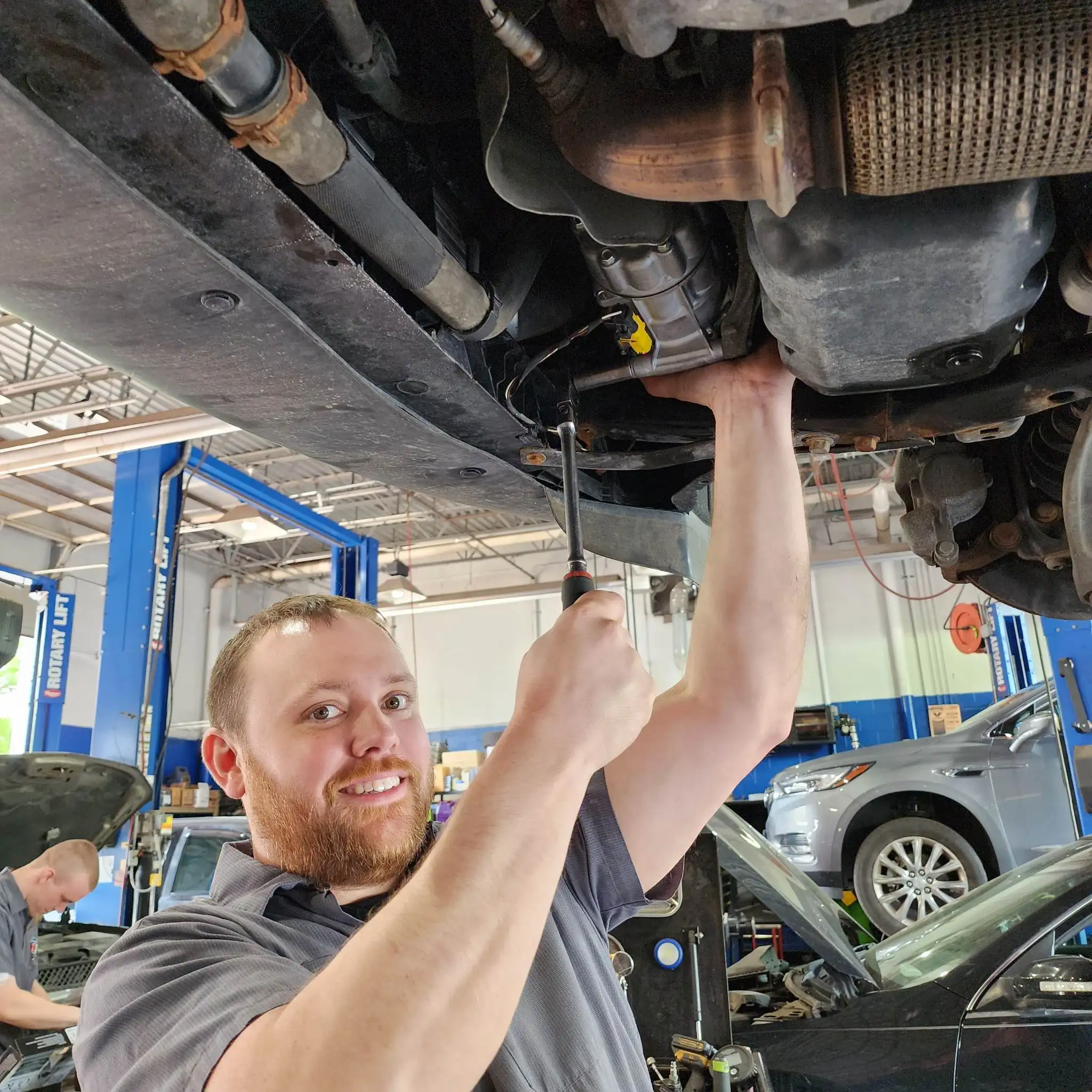
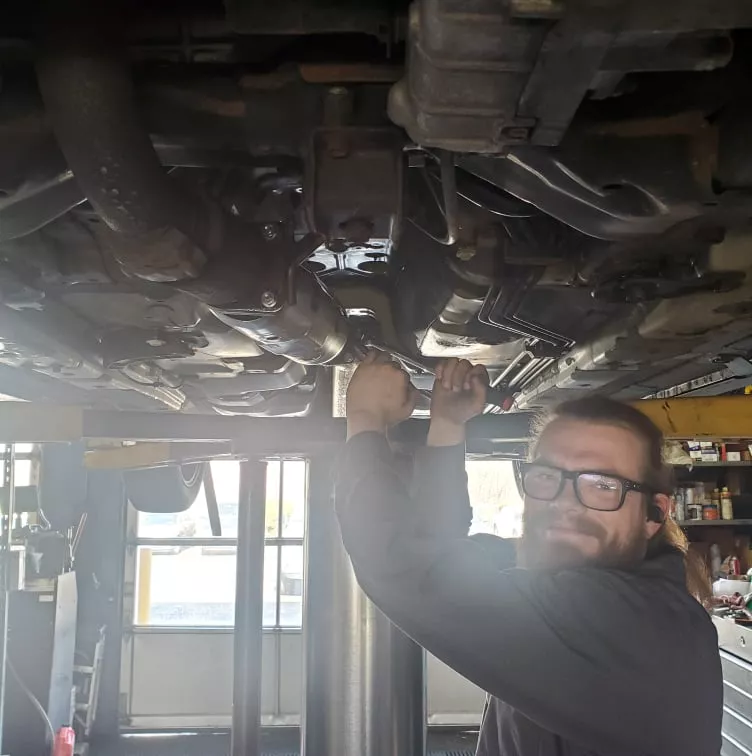
Driving with a damaged or broken motor mount for extended periods is never recommended. When an engine shifts out of its factory position, it can cause misalignment in your drivetrain, damage expensive cooling lines, or even crack transmission housings. Replacing a worn motor mount promptly restores smooth performance and prevents minor issues from snowballing into complex, costly repairs. Because motor mount replacement requires specialized equipment to support the engine's weight safely while working underneath the vehicle, it is a job best left to a professional.
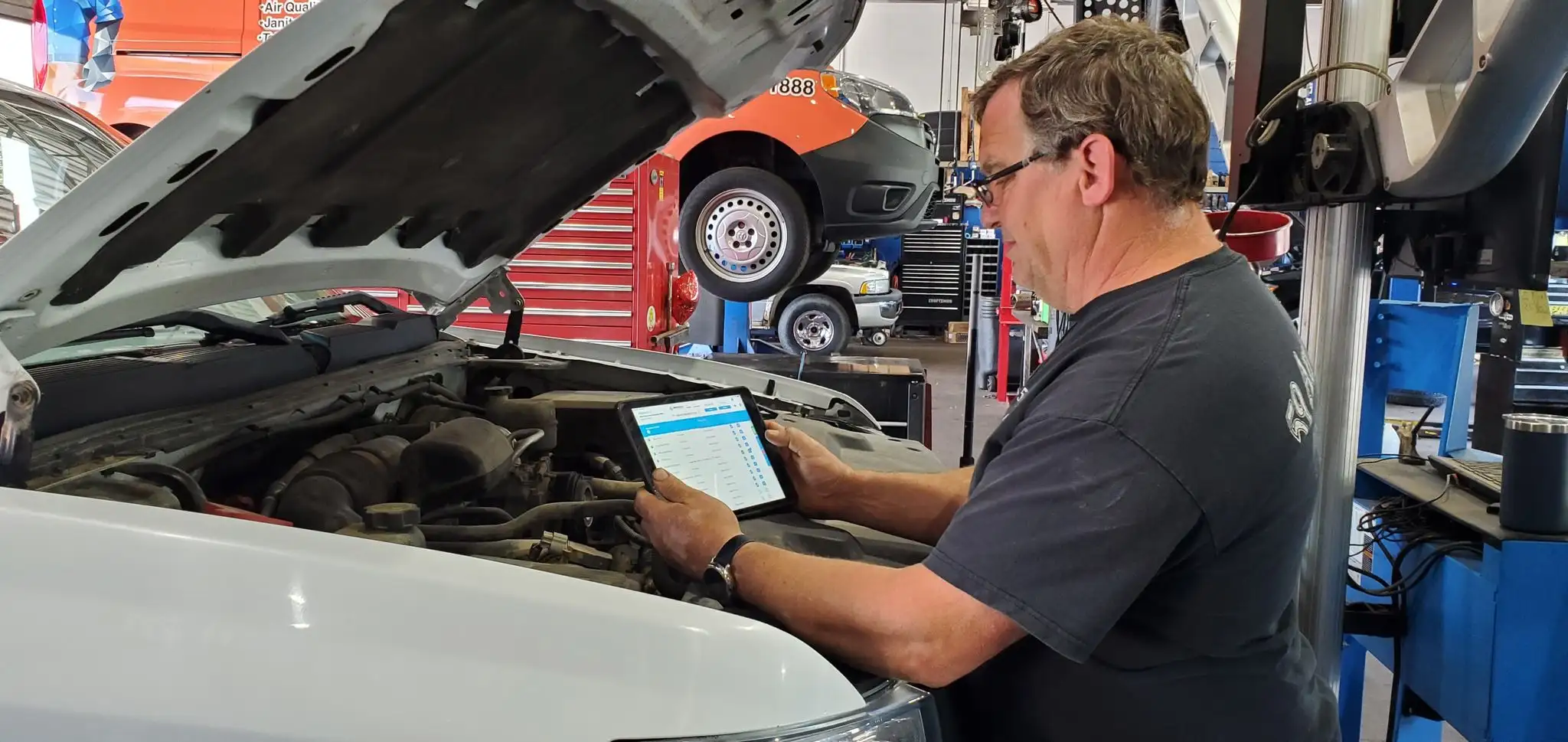
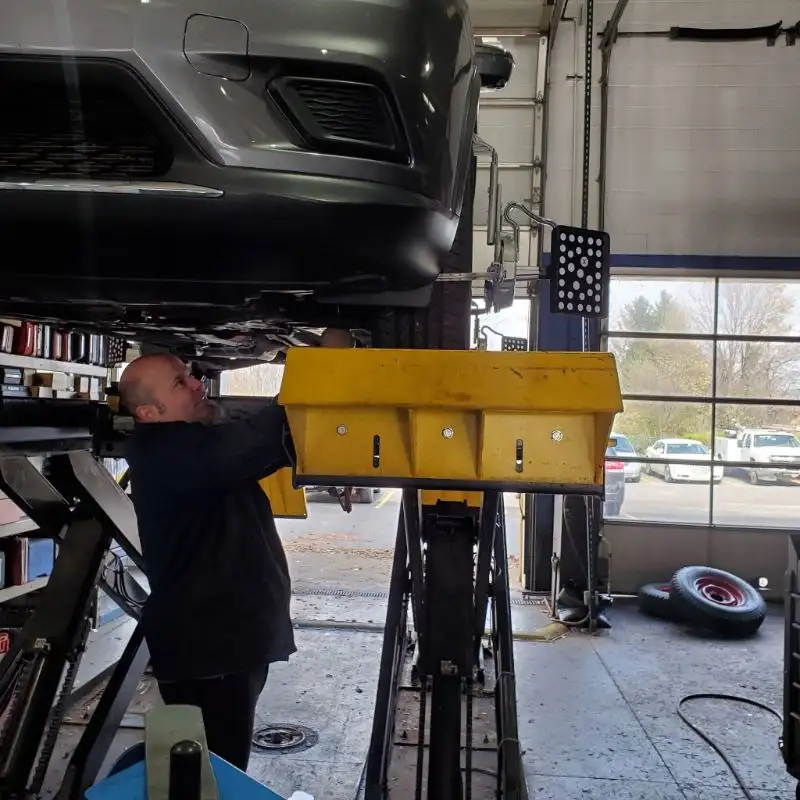
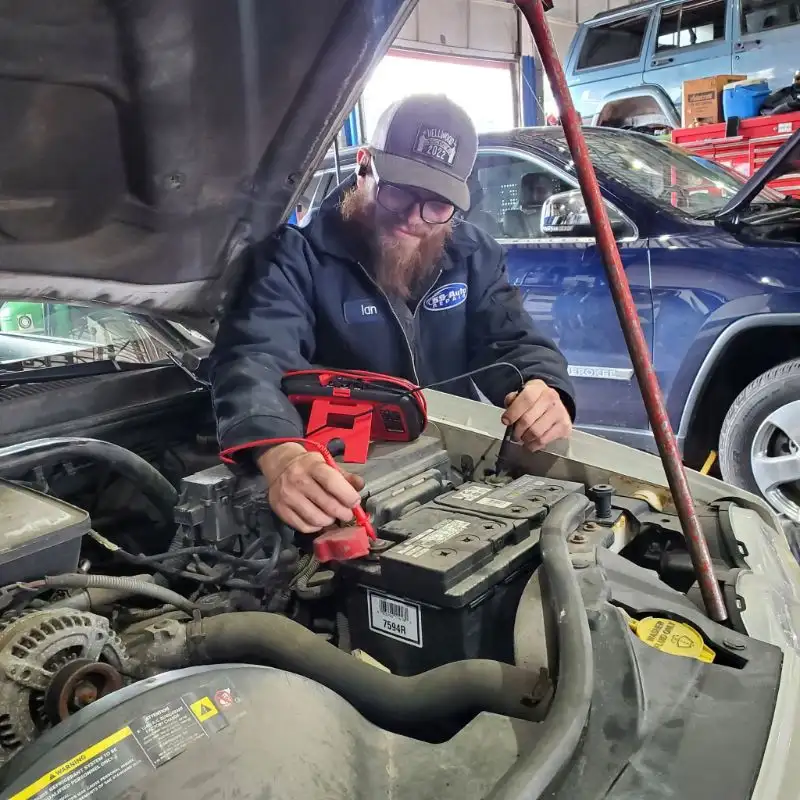
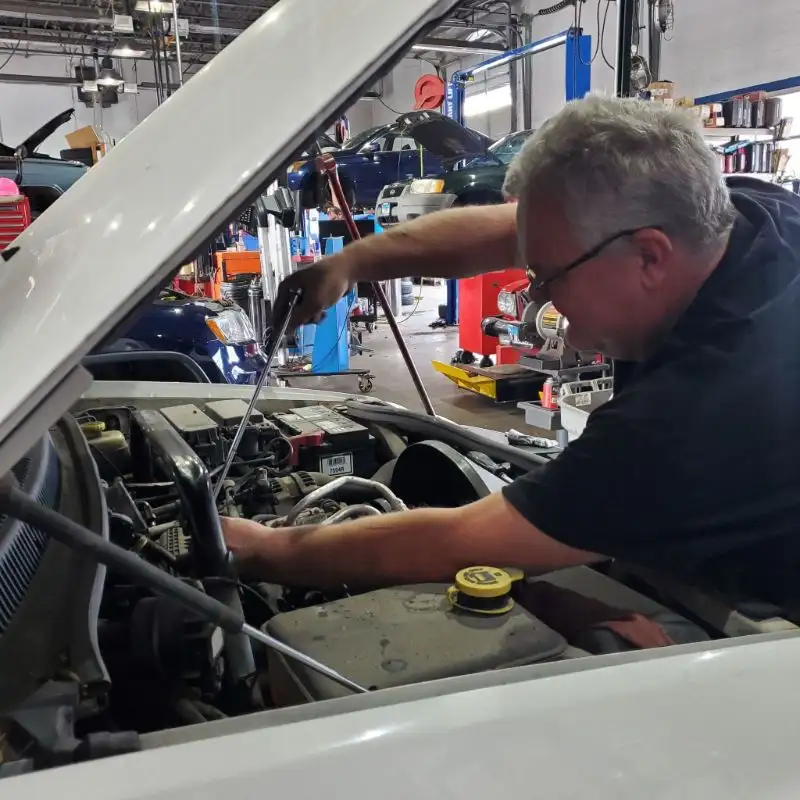
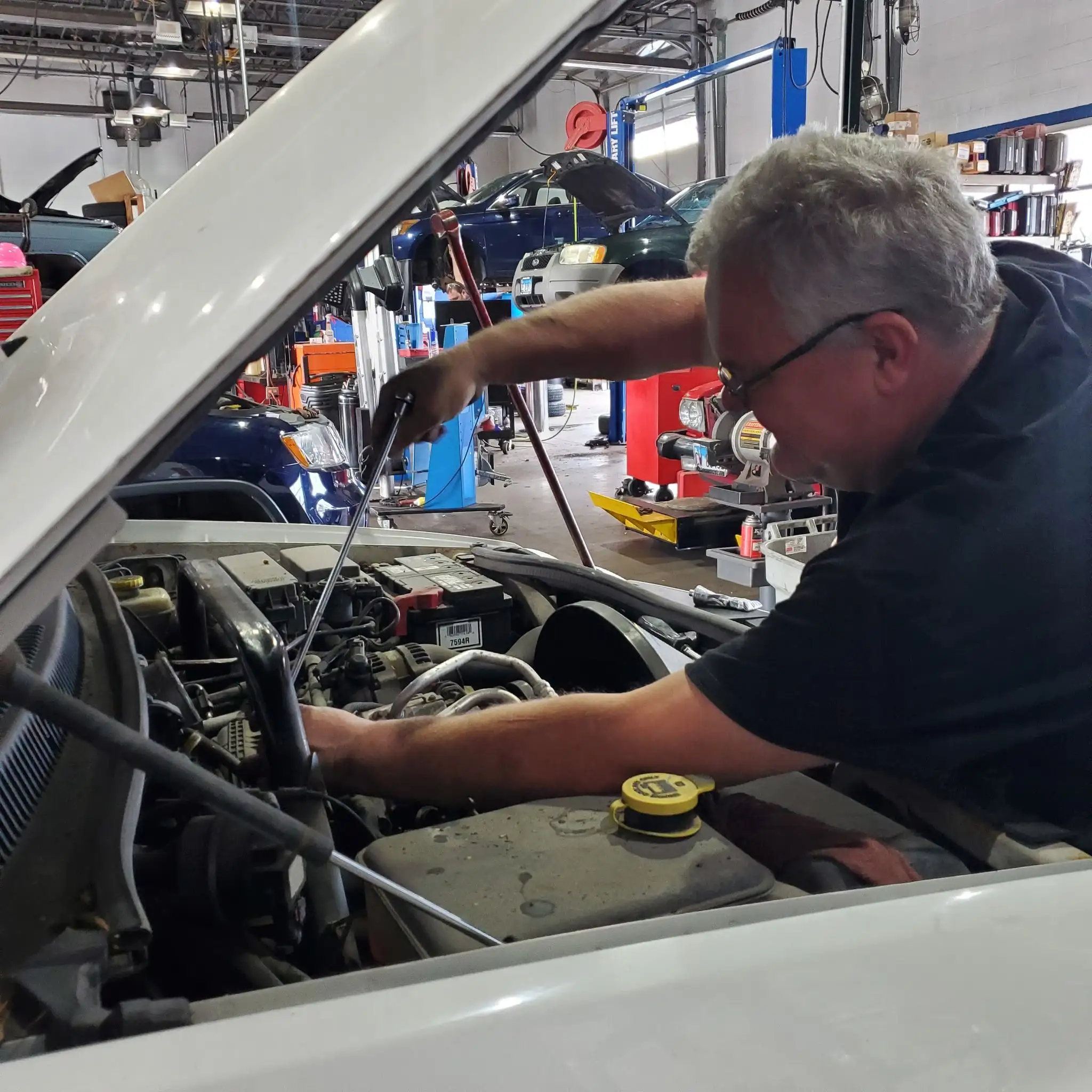
If you are noticing excessive engine movement, strange clunking sounds, or harsh cabin vibrations, bring your vehicle in for a complete digital inspection. When you need a reliable mechanic to evaluate your vehicle's engine components, the team at 59 Auto Repair is here to help. We specialize in comprehensive engine diagnosis and complete auto repair, ensuring your vehicle stays dependable on every trip. For honest advice and top-tier auto repair in Plainfield IL, contact our team today or stop by the shop to schedule your next service!